INTRODUCTION
The United Arab Emirates (UAE) is one of the richest countries in the world, having achieved this status through the maximization of its resources, particularly oil. This has resulted in cheap energy and electricity, alongside one of the highest standards of living globally. Recently, the UAE has shifted its policies to focus on technology and Web3, transforming into a tax haven with infrastructure designed for the technical world and Artificial Intelligence (AI). Notably, the UAE is making significant investments in Bitcoin. It is not merely a country where mining and trading Bitcoin are permitted; it is actively involved in owning and utilizing Bitcoin, as indicated by on-chain analysis from Arkham Intelligence.
Understanding the UAE’s Strategic Bitcoin Holdings and State-Level Crypto Accumulation
The True Scale of Government-Backed Bitcoin Strategic Holdings in the UAE
According to recent analysis reports by Arkham Intelligence, the UAE’s strategic holdings are estimated to contain some 6,300 Bitcoins, valued at over $700 million. This strategic accumulation is due to the UAE engaging in its own mining activities through Citadel Mining, which has ties to the UAE government, along with the involvement of the Emirates Royal Group in this operation.
Where the UAE Stands in the Global Ranking of Top Bitcoin Reserve Countries
The UAE ranks among the top countries worldwide for Bitcoin reserves, currently positioned within the first four countries, following the United States, China, and the United Kingdom, thanks to its active Bitcoin mining operations.
Why the UAE's Legitimate Acquisition of Bitcoin Sets It Apart Globally
The uniqueness of the UAE’s situation lies in its acquisition of Bitcoin, which was obtained through extensive mining and a sophisticated infrastructure in Blockchain and Crypto, rather than through confiscation or settlements as seen in other countries.
The Rise of Institutional Crypto Adoption and Bitcoin Financial Integration in the UAE
How the UAE is Driving Institutional Integration Through Bitcoin ETFs and Funds
The UAE is witnessing institutional-level investments in digital currencies, with funds and companies investing in Bitcoin-related products, such as ETFs. This trend indicates a clear direction towards the integration of Bitcoin within financial and investment structures. In this environment, cryptocurrency mining has proven highly advantageous, as it has faced challenges in many other regions. The UAE has been at the forefront of embracing the world of cryptocurrency.
Why the UAE is Rapidly Emerging as an International Hub for Crypto Mining Operations
Navigating Regulations: The UAE as a Fully Regulated International Centre for Digital Mining
In recent years, the digital currency mining business has seen significant growth in the UAE, establishing the country as a major global hub for this industry. The primary reason for this boom is the clear legal framework surrounding the business, which imposes no bans as long as operations occur in a controlled environment with the appropriate business licenses. The sector is regulated by authorities such as the Virtual Assets Regulatory Authority (VARA) of Dubai and the Abu Dhabi Global Market (ADGM), ensuring that digital assets are protected by laws and regulations. The only notable exception affecting digital asset mining is within agricultural lands in the Emirate of Abu Dhabi, where severe penalties can be imposed, potentially reaching 100,000 AED.
A Complete Guide to Crypto Taxation in the UAE: Why It Offers a Miner-Friendly Framework
Exploring the UAE’s Desirable Tax System for Individual and Corporate Crypto Miners
From a taxation perspective, the UAE is one of the most favorable locations for crypto miners. The country imposes no personal income tax, meaning crypto miners are not required to pay taxes on self-mining activities. Additionally, established crypto mining companies face only a 9% tax on profits exceeding $102,000 annually. A 5% tax is applicable for mining or hosting services within the UAE, although such services for foreign entities may be exempt under certain conditions.
Analyzing the UAE Bitcoin Hashrate and Its Expanding Global Mining Power Position
The UAE's Global Positioning and Computing Power in the Modern Bitcoin Mining Landscape
In terms of computing capacity, the UAE has made significant advancements and now ranks among the top five countries globally in Bitcoin Hashrate. As of the final quarter of 2025, the UAE accounts for approximately 3% to 4% of the overall global mining capacity. This position aligns the UAE with mining powerhouses such as the United States, Russia, and China, attributed to substantial investments in mining farms in Abu Dhabi.
Evaluating Energy Costs in the UAE and the Strategic Transition to Sustainable Solar Mining
How Stable Energy Prices and the Transition to Solar Power are Fueling UAE Crypto Mining
Electricity costs, a critical factor in mining profitability, are relatively moderate compared to other countries. The average electricity price in the UAE ranges from $0.07 to $0.11 per unit, depending on business type and electricity usage. While these rates are higher than those in countries with subsidized power, the quality of power and infrastructure compensates for this. Additionally, the UAE boasts the second-highest solar radiation rate globally, averaging 6-6.5 kWh per square meter per day, with nine hours of sunlight annually. Solar power has become crucial in the mining sector, particularly for major mines aiming to reduce future costs and environmental impacts.
UAE Government Crypto Incentives, Renewable Energy Policies, and the Net Zero 2050 Initiative
The Impact of UAE Government Incentives and the Net Zero 2050 Goal on Crypto Mining
The UAE has committed to the Net Zero 2050 strategic initiative, aiming to increase the share of renewable energy to nearly 50% by the end of 2025 through significant bank financing. The UAE’s key measures to support the renewable energy sector include:
Direct Financial Support for Large-Scale Mining Projects
Direct Support: Financial assistance aimed at encouraging large projects, with potential waivers on licensing costs.
Solar Loan Facilities and Financing Opportunities
Financing: Solar loan facilities and financing opportunities targeted at industrial investors.
Incentives for Private Sector Grid Integration
Grid Integration: Incentives for the private sector to connect solar energy to the national grid.
VAT and Tax Exemptions on Industrial Solar Projects
Tax Exemptions: VAT exemptions on specific types of solar industrial and commercial projects.
Ease of Business and Free Zone Licensing Opportunities
Ease of Business: Streamlined licensing in Free Zones such as DMCC in Dubai and ADGM in Abu Dhabi.
Exploring Large-Scale Crypto Mining Projects and Advanced Blockchain Infrastructure in the UAE
Key Players Driving Large Projects and Crypto Infrastructure Development in Abu Dhabi and Dubai
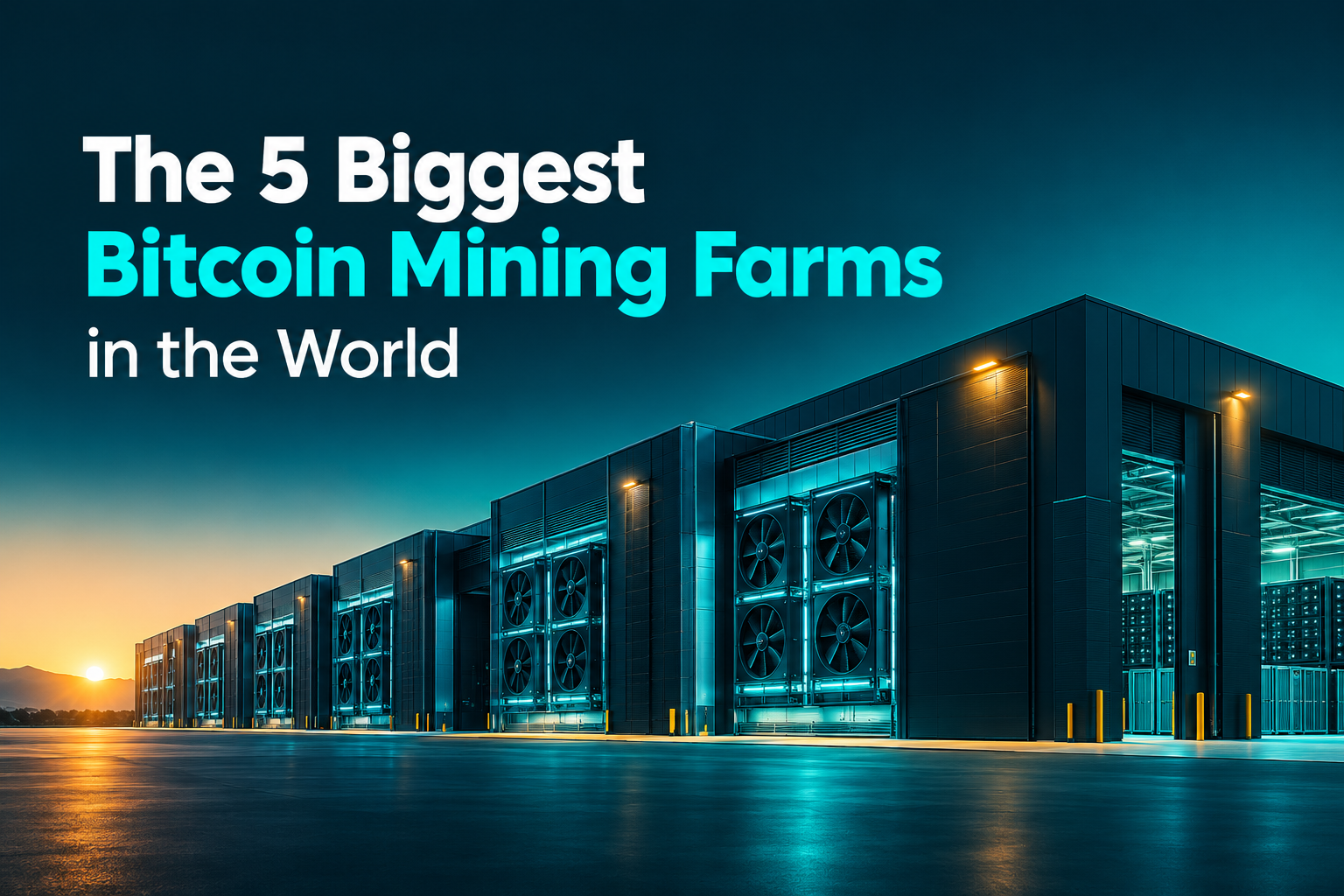
Currently, the UAE hosts large-scale mining farms that rank among the largest globally, including initiatives by the Phoenix Group in Abu Dhabi and collaborations with major U.S. miners utilizing cutting-edge technologies like immersion cooling. The local market is well-equipped, with suppliers offering ASIC mining rigs from brands such as Bitmain, WhatsMiner, and Jasminer, providing local shipping, tech support, and professional hosting services in specialized facilities.
The Geopolitical Elephant in the Room: Conflict and the Fragility of Infrastructure
Power Grids in the Crossfire: When Energy Becomes a Target
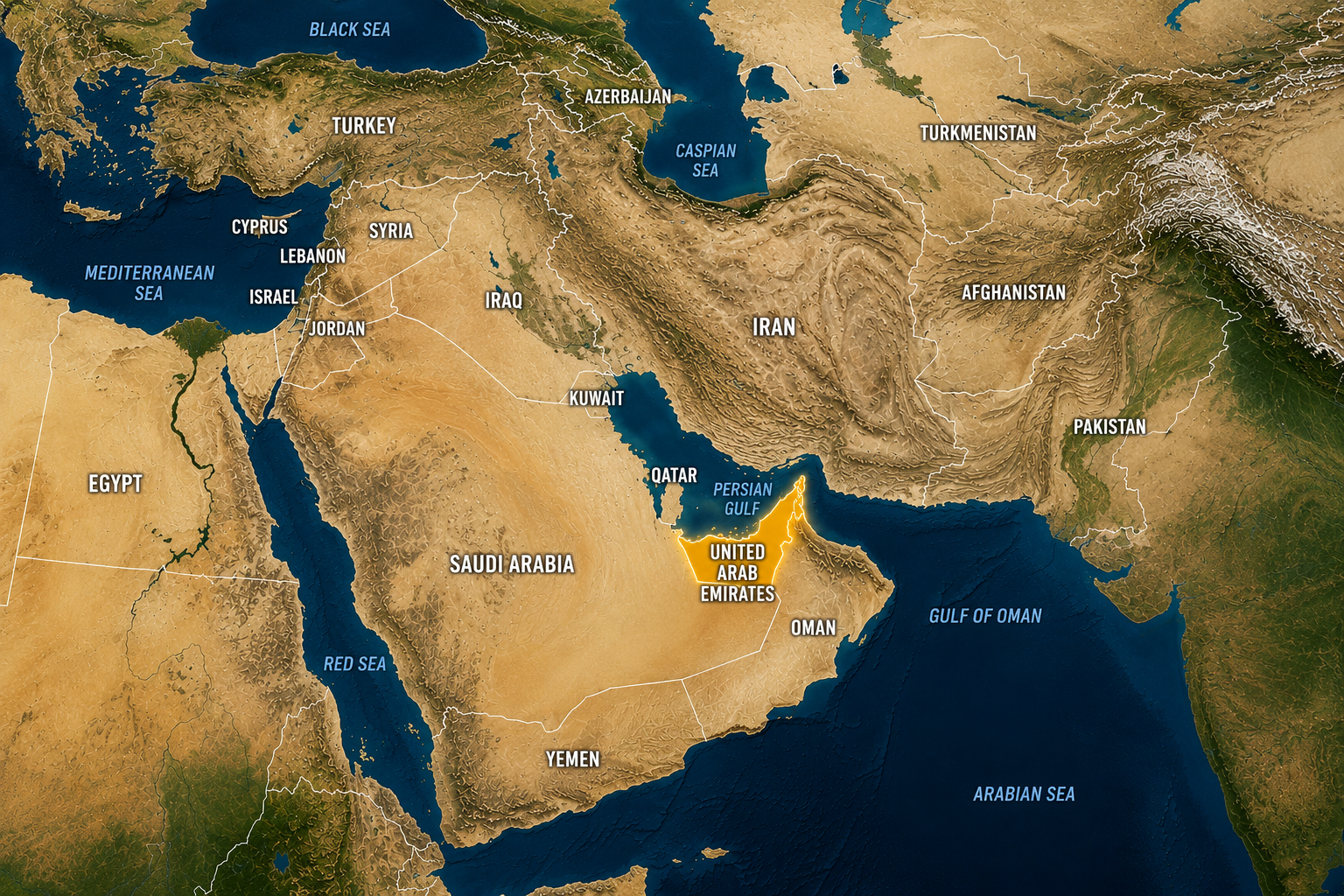
Despite the UAE’s rapid growth, the threat of regional conflict remains significant. Recent tensions between the U.S. and Iran have turned the Gulf into a geopolitical hotspot. For the UAE, which faces retaliatory threats due to its strategic position, the stakes are incredibly high. In the realm of crypto mining, stability is paramount. If conflict disrupts oil, gas, or electrical grids, the cheap energy advantage could vanish instantly. A single strike on the power infrastructure could lead to not just a blackout but a complete overhaul of energy pricing and the potential collapse of the mining consistency that the UAE has diligently built.
Cutting the Cord: The Threat to the World’s Digital Arteries
It’s not just the power on land that’s at risk; it’s the data under the sea. Intelligence leaks suggesting that subsea fiber-optic cables could be targeted have raised alarms in the tech community. The Arabian Peninsula serves as a gateway for some of the world’s most critical data conduits, such as SEA-ME-WE 5 and AAE-1, which transmit over 40 Terabits of data per second between Asia and the West. If these cables are compromised, the UAE’s digital connection to the world would not only slow down but could entirely disappear. For an industry reliant on real-time blockchain validation and rapid connectivity, this poses not just a technical issue but an existential threat to the entire Web3 ecosystem.
Final Thoughts: Why the UAE Is Destined to Remain a Top Global Crypto Mining Power
The UAE isn’t merely joining the Bitcoin mining race; it is strategically positioning itself at the forefront. While other countries debate restrictions, the UAE is building infrastructure, attracting miners, and investing at a state level. With cheap energy, clear regulations, and ambitious solar initiatives, the UAE is poised to become a serious long-term crypto powerhouse.
What sets it apart is not just mining; it’s ownership, strategy, and timing. The UAE is not merely reacting to the Bitcoin era; it is actively seeking to own a piece of its future.