Blockchain Technology Explained: Distributed Ledger, Cryptography, and Decentralization
The Hard Truth About Trust in 2026
By now, the honeymoon phase of blockchain is over. We’ve stopped debating whether the technology works—the trillions of dollars flowing through decentralized protocols have already settled that argument. In 2026, the conversation has shifted to something much more practical: If you can’t verify the system yourself, do you really own anything?
We are living through a massive, quiet migration. We’re moving away from a world where we had to trust that a bank, a government, or a platform would do the right thing, and moving into an era of engineered integrity. This isn't just about digital gold anymore; it’s about the underlying plumbing of the global economy. What we used to call Web3 is simply becoming the new standard for how value and data move without a middleman taking a cut or changing the rules.
But here’s what most people miss: Blockchain isn't magic. It’s infrastructure. It’s a combination of raw computing power, energy, and elegant mathematics. When you strip away the marketing hype and the volatile charts, what’s left is a system that replaces human error with cryptographic proof. It’s a shift from "don’t be evil" to "can’t be evil."
To truly navigate this space, you have to look under the hood. You have to understand how consensus is reached, how hardware secures the network, and why decentralized systems are becoming the only logical choice for a world that’s lost faith in centralized institutions. In this guide, we aren't going to waste time on surface-level definitions. We’re going to look at the mechanics, the strategic advantages, and the actual hardware that makes this revolution possible. Because in a world of digital noise, understanding the signal is the only way to stay ahead.
How Blockchain Builds Trust: Cryptography, Public Keys, and Consensus Mechanisms
The End of "Trust Me": Engineering Certainty in a Digital World
For a long time, we didn’t have a choice: we had to take someone’s word for it. Whether it was a bank, a legal system, or a massive tech platform, we outsourced our trust to institutions. We hoped they’d be honest, hoped they’d be secure, and hoped they’d stay efficient. Blockchain fundamentally kills that "hope-based" model. We’ve moved from a world where we ask for permission to a world where we rely on cryptographic proof. It’s the difference between believing a promise and verifying a mathematical fact.
The real breakthrough here isn't just a fancy database; it’s a total shift in human coordination. It allows two people who don't know—and don't even like—each other to transact with 100% certainty. You don’t need to trust the person on the other end of the wire. You only need to trust the protocol and the raw computing power securing it. In a world that is more connected and yet more skeptical than ever, this isn't just a nice-to-have technology. It’s the only logical way to move value without a middleman taking a cut or a gatekeeper changing the rules halfway through.
But if you look under the hood, you’ll see that blockchain is much more than code. It’s a collision of math, economics, and hard infrastructure. It forces us to rethink what ownership actually looks like when you remove the central authority. There are no CEOs to call, no undo buttons, and no hidden ledgers. Everything is transparent, automated, and permanent. It’s a system designed for a reality where don't be evil is replaced by "can't be evil."
At its core, this is what Satoshi really gave us: a way to maintain a single, unshakeable source of truth. By merging public-key cryptography with decentralized consensus, we’ve built a system that no single entity can bully or manipulate. It is the first time in history that the truth isn't owned by the person with the most power—it’s owned by the network.
How Blockchain Works: Blocks, Hashes, Distributed Consensus, and ASIC Mining
Forget the buzzwords. Forget the shiny interfaces. If you want to know what a blockchain actually is, you have to look past the marketing. At its core, this isn't magic; it’s a brutal, relentless, globally synchronized record. Every single entry is permanently etched into digital reality and sealed shut with unyielding cryptography. This is not a system built on promises; it is a system built on mathematical proof.
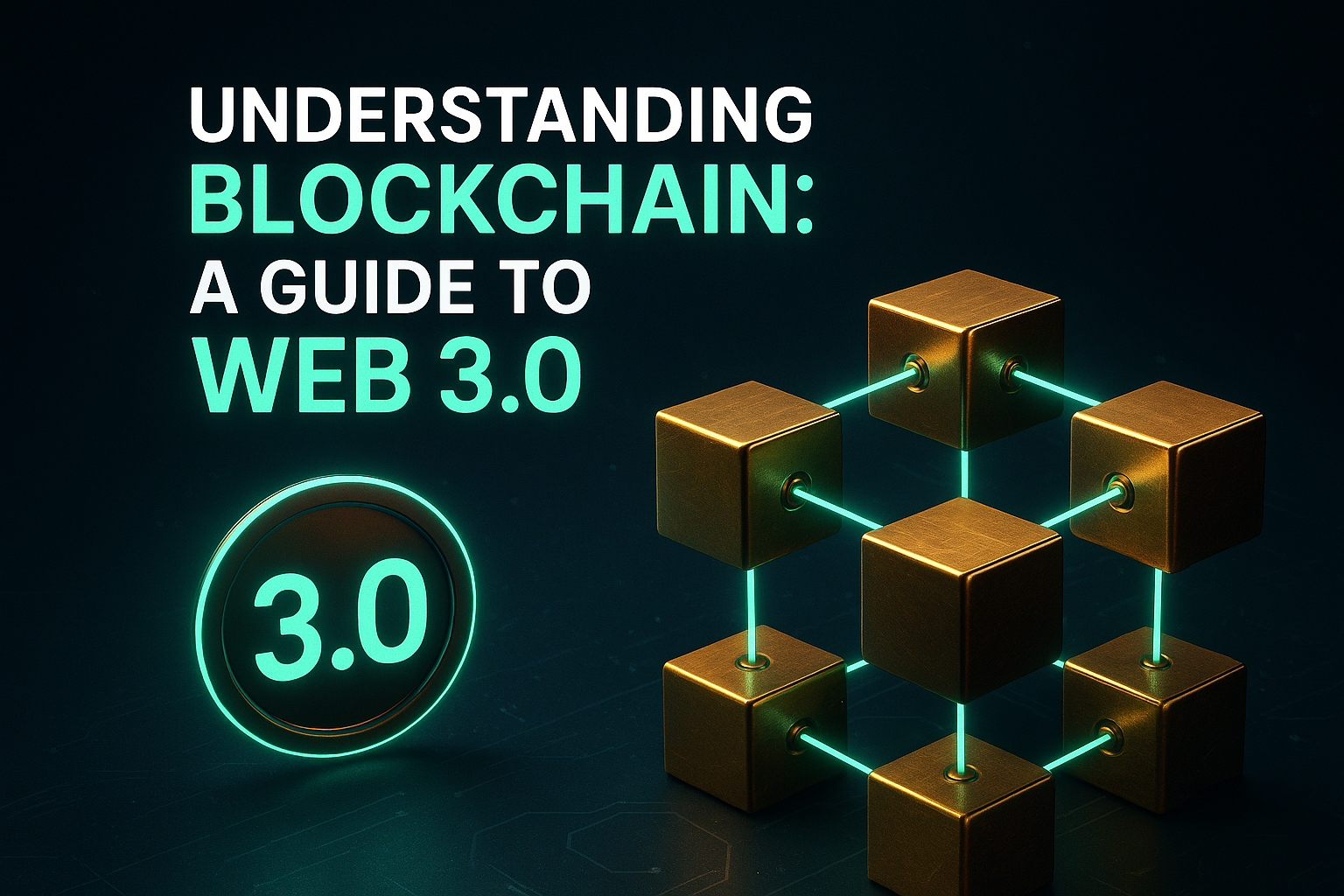
Think of each block not as a soft entry in a database, but as a cage holding data. This cage is mathematically forged—chained—to the one that came before it through a unique digital fingerprint, the hash. This linkage is not metaphorical; it is an irreversible timeline. To change a single piece of data in a block five years ago isn't just "difficult"—it requires the computational energy to rewrite every subsequent block and overcome the entire history of the chain. It is a physical and mathematical impossibility.
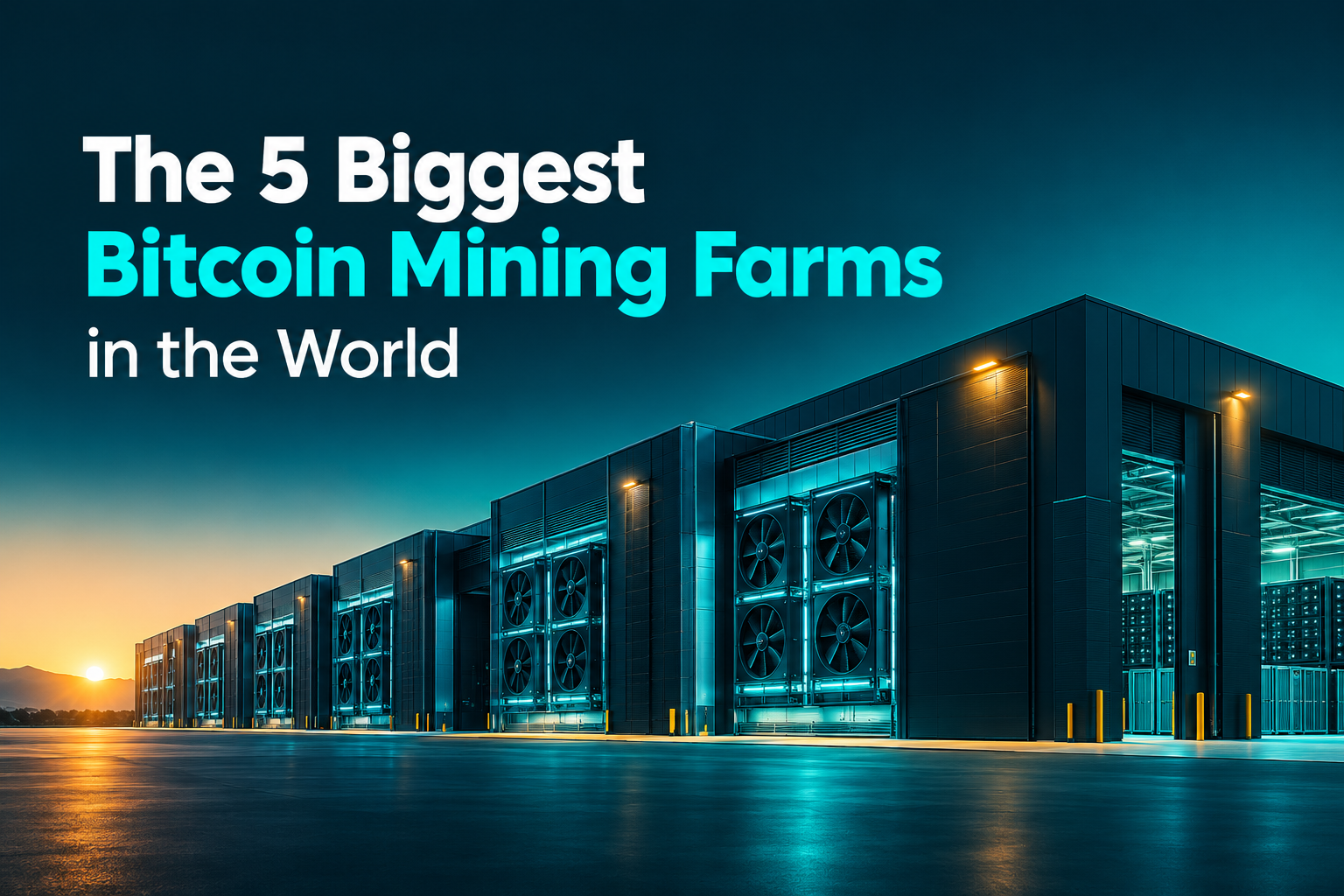
But who guards this record? The real "engine" of the blockchain isn't just code; it’s infrastructure. It is a chaotic, collaborative, and cutthroat environment where thousands of high-performance machines—specifically, specialized ASIC mining systems—are constantly roaring. They are burning energy to solve complex puzzles, competing against each other to validate the next batch of transactions. This isn't just running a program; it is the physical manifestation of securing a digital reality. It is where pure computation turns into trust.
In this machine, there is no central authority to call. There is no boss, no hidden database, and no emergency stop. Consensus is not granted; it is earned by the network itself. When you see a transaction on the blockchain, you aren't looking at "a version" of the truth that some institution has permitted you to see. You are looking at the definitive truth, collectively enforced by physics, code, and the brute-force reality of global computation.
Blockchain Security in 2026: Immutability, Hash Linking, and Private Key Protection
By 2026, we’ve learned a hard lesson: security isn't something you "turn on"—it’s an outcome of mathematical gravity. In the world of blockchain, immutability isn't a marketing buzzword; it’s a physical consequence of how data is forged. It emerges from a relentless chain of cryptographic dependencies where every block is a hostage to the one before
Think of the hash as a digital DNA strand. Because each block is mathematically fused to its predecessor, even a microscopic change in a transaction from three years ago would instantly shatter the integrity of every block that follows. In a growing chain, tampering doesn’t just become hard—it becomes an exercise in futility. To rewrite history, you’d have to outrun the collective energy of the entire planet’s computing power.
But here is the cold truth that most people refuse to face: The network isn’t the weak point. You are. In a decentralized system, we’ve traded the "safety" of a middleman for the weight of absolute sovereignty. There is no "forgot password" link. There is no support ticket to open when a transaction goes wrong. Your private key is not just a password; it is your identity, your ownership, and your final authority rolled into one. If you lose it, or if it’s compromised, the math doesn't care about your excuses—it simply follows the protocol.
This is why, in 2026, security is no longer a "feature" you look for in a software update. It is a discipline. It is a mindset of radical responsibility. In this landscape, cold storage isn't a "pro tip" for enthusiasts—it is the non-negotiable baseline for anyone who actually understands what it means to own their digital future. If you aren't holding the keys in an air-gapped environment, you aren't a sovereign participant; you’re just a guest waiting for the door to be locked.
Blockchains started as secure databases—but that phase is over. Today, they have evolved into programmable infrastructure capable of executing code and powering a decentralized global computing layer.
The Reality of Ownership
In a decentralized world, the "safety net" is gone. Your private keys aren't just a password—they are your absolute authority. If you don't protect them with your own discipline, you don't truly own anything.
This is why cold storage isn't a "pro tip." It’s the professional baseline. If you aren't willing to be your own vault, you aren't ready for financial sovereignty. It's that simple.
Smart Contracts and Distributed Ledger Technology (DLT): Transforming Institutions
The Reality of Smart Contracts: Code as the Final Word
In the old world, we spent half our time—and even more money—just trying to agree on what actually happened. Every institution kept its own messy books, leading to endless "reconciliation" and human error. Blockchain kills that friction by forcing everyone to work from a single, unshakeable version of the truth.
But the real "engine" here is the Smart Contract. These aren't just digital agreements; they are self-executing logic. When the conditions are met, the outcome happens. No waiting for a manager’s signature, no "processing time," and no room for interpretation.
In this system, you aren't "hoping" an institution keeps its word. You are interacting with a protocol where the result is guaranteed by design. When the code is the escrow, the middlemen don't just get faster—they become obsolete.
Web 3.0 and Blockchain: Redefining the Internet Infrastructure
Blockchain as the Core Infrastructure of Web 3.0
| Feature | Web 2.0 | Web 3.0 | Impact |
|---|---|---|---|
| Data Ownership | Platform-owned | User-owned | True digital sovereignty |
| Control | Centralized | Decentralized | No single point of failure |
| Trust Model | Institution-based | Cryptographic proof | Trustless systems |
| Identity | Email / Platform accounts | Wallet-based | Self-sovereign identity |
| Payments | Banks / Gatekeepers | Crypto / Smart contracts | Instant settlement |
| Infrastructure | Central servers | Distributed networks | Resilience & censorship resistance |
| Execution Layer | Backend APIs | Smart Contracts (EVM) | Autonomous logic |
This isn't just an "upgrade"—it’s a power shift. Instead of a few massive data centers controlling everything, we’re building on smart contracts and decentralized storage. We’re moving from a model where you "agree to terms" you can't change, to a model where you actually own your digital assets and data. No gatekeepers, no hidden algorithms, and no permission required.
At its core, Web 3.0 replaces "centralized control" with "cryptographic trust." It’s the internet we were promised: a foundation where automation and decentralization aren't just features, but the new law of the land.
From Web 1.0 and Web 2.0 to the Era of Centralization Crisis
| Web Era | Core Idea | Control | User Role |
|---|---|---|---|
| Web 1.0 | Static content | Developers | Reader |
| Web 2.0 | Interactive platforms | Big Tech | Creator (controlled) |
| Web 3.0 | Decentralized networks | Users / Protocols | Owner |
Decentralized Infrastructure: Ethereum Virtual Machine, IPFS, and Beyond Cloud Computing
| Layer | Technology | Function |
|---|---|---|
| Execution | EVM | Runs smart contracts |
| Storage | IPFS | Decentralized storage |
| Consensus | Blockchain | Validates data |
| Application | DApps | User interaction |
Blockchain, Big Data, and Cognitive Computing: The Datafication Era
| Technology | Role in Web 3.0 | Impact |
|---|---|---|
| Big Data | Processes massive datasets | Generates insights |
| AI / ML | Automates decision-making | Adaptive systems |
| Blockchain | Secures and verifies data | Trustless validation |
IoT, Machine-to-Machine Payments, and Distributed Micro-Economies on Blockchain
| Concept | Description | Impact |
|---|---|---|
| IoT | Billions of connected devices interacting in real time | Automation at scale |
| Machine-to-Machine Payments | Devices exchange value without human intervention | Faster and frictionless transactions |
| Distributed Micro-Economies | Token-based resource allocation across networks | New digital markets |
| Services Economy | Access replaces ownership through automated systems | Smarter, on-demand infrastructure |
The Final Reality: The End of "Blind Trust"
Strip away the hype and the noise, and only one truth remains: Blockchain isn't a trend—it’s the inevitable shift from a system of "permission" to a system of proof. We are witnessing a total redesign of how power and value move, moving away from human intermediaries and onto unyielding code.
For the first time, we have a system where ownership is absolute, and the rules are enforced by mathematics, not institutions. But this sovereignty comes with a heavy price: radical responsibility.
In this world, there are no safety nets. No "forgot password" buttons. No second chances. If you understand the system, you gain control. If you don't, you remain the weakest link. This is the dividing line of 2026.
Blockchain isn't about speculation; it’s about autonomy. In the world that’s coming, either you own your assets, your data, and your identity—or someone else will. The choice is yours.
FAQ
Q1: What is blockchain, stripped of the hype?
Think of it as a global, digital "truth machine." Instead of one bank or company keeping a private ledger that they can edit, blockchain is a shared record mirrored across thousands of computers. Every entry is cryptographically sealed into a "block" and chained to the one before it. Once it's in, it’s permanent. You don't have to trust a person; you just have to trust the math.
Q2: How do we actually trust a system with no boss?
We replace "institutional trust" with "mathematical certainty." Through a mix of hashing and distributed consensus, the network forces every participant to agree on the state of the ledger. To cheat, you’d have to convince the majority of the global network simultaneously—which is computationally and economically impossible.
Q3: What’s the real job of an ASIC miner?
ASIC rigs are the "heavy infantry" of the network. They aren't just running software; they are specialized hardware built for one brutal task: solving the complex cryptographic puzzles that secure the chain. They provide the raw physical power (hashrate) that makes the cost of attacking the network so high that it’s simply not worth it. They turn electricity into security.
Q4: Are Smart Contracts actually "smart"?
They aren't "smart" in the AI sense—they are literal. A smart contract is code that says: "If X happens, then do Y." There’s no waiting for a lawyer, no middleman taking a cut, and no room for "interpretation." It’s an agreement that executes itself perfectly, every single time, without human intervention.
Q5: Why does Web 3.0 actually matter compared to Web 2.0?
Web 2.0 was the era of "The Landlord." You used the platforms, but they owned your data, your identity, and the rules. Web 3.0 flips the script. It’s an internet built on decentralized infrastructure where you own your assets and data. We’re moving from "renting" our digital lives to "owning" them.
Q6: Why is everyone obsessed with private keys and cold wallets?
Because in a decentralized world, you are the bank. Your private key is the only thing standing between your assets and the rest of the world. If you leave your keys on an exchange (online), you’re just a guest. A cold wallet takes those keys completely offline, air-gapping them from hackers. It’s the difference between a glass piggy bank and a mountain vault.
Q7: How does this help machines talk to each other (IoT)?
In a machine-to-machine economy, your solar panel might want to sell excess power to your neighbor’s EV charger. They can't open bank accounts or sign papers. Blockchain gives these devices a way to exchange value automatically using tokens and smart contracts—creating a micro-economy that runs at the speed of light without a human in the middle.
Q8: Is this just about "Crypto" and coins?
Not even close. Bitcoin was just the "proof of concept." Today, blockchain is the plumbing for everything that requires an unshakeable record—from tracking global supply chains and securing healthcare data to building new decentralized financial systems (DeFi). It’s about securing truth, not just money.