
Introduction: Solar Bitcoin Mining as a High-Performance Energy Investment (2026)
Energy conversion to digital value is transforming in the current economic environment of 2026. Astute investors now recognize that solar farms are no longer considered slow-growth stationary assets. By leveraging hydro-cooled mining innovation, each kilowatt derived from the sun is immediately turned into Bitcoin, pushing capital utilization performance towards record-breaking heights. Every detail of this operation is carefully structured for an absolute match of a 1-Megawatt (1MW) solar array and the mining load that comprises 50 pieces of Antminer S23 Hyd 3U machines.
Battery-Free Net Metering Model and Virtual Energy Storage Strategy
This project runs on the ideology of 'Battery Elimination', which reduces the cost of both maintenance and capital by utilizing the public utility grid as a 'Virtual Energy Reservoir':
Net Metering Mechanism
A bidirectional meter is used. When the sun is out (peak time), the power plant produces 1,000 kW. The mining machines consume 552.5 kW, and the remaining 447.5 kW is fed back into the mains.
Nighttime Offset
During the 12 hours of nighttime, the energy for the rigs comes from the power grid. Because of the "credits" generated throughout the daytime hours, there is an average of around 81% of the price of the night energy consumed that has been compensated, and the average cost of electricity for the entire 24 hours becomes zero.
Voltage Stability
This is where Smart Inverters are applied to provide a high level of power quality (Pure Sine Wave), which is necessary to safeguard sensitive hash boards belonging to mining units.
Technical Specifications of the 1MW Solar-Mining Infrastructure
Solar Panels, Inverters, and Liquid-Cooled ASIC Mining Hardware
The system should be designed to meet the following technical requirements:
-
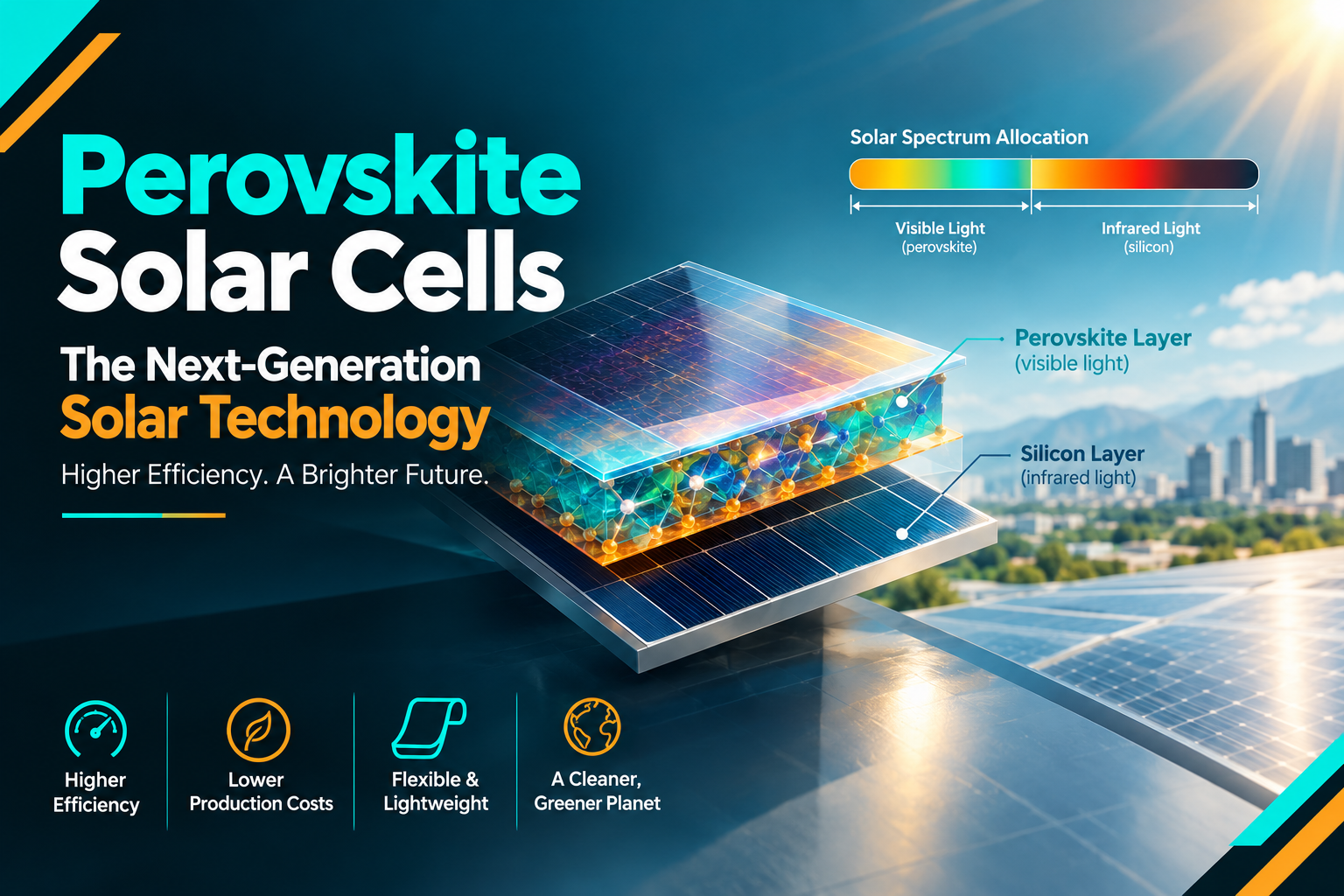
Solar Panels: 1,538 units of N-Type Bifacial solar panels, with a capacity of 650W. The choice of bifacial solar panels was made with the aim of harnessing the reflected sun rays from the surface of the earth, thereby raising production by up to 10% in desert and sandy areas due to the Albedo effect.
-
Inverter Sheds: There will be 4 central inverters, all with a capacity of 250kW and internal cooling and remote monitoring.
-
Mining Rig Components: 50 S23Hyd Units - These mining rigs are marked by their extreme power efficiency and high temperature resistance because they are liquid-cooled and do not suffer from corrosion or dusty buildup on their chips.
Solar Farm Layout, Land Requirements, and Mining Container Logistics
Site Planning, Row Spacing Optimization, and Thermal Management Design
Space and Logistics (Site Layout) The project needs a smart land footprint ranging from 10,000 to 12,000 sq m (1.2 Hectares):
-
Row Spacing: Spacing of 4 meters has been provided between rows of panels to avoid self-shading effects, besides providing space for automated cleaners.
-
Operations Center: A mining container is located at the geometric center of the land. This configuration helps in reducing the overall copper DC cable cost due to the minimized copper DC cabling lengths.
-
Cooling Infrastructure: The cooling towers are placed in the windward direction in order to make them as effective as possible in removing 552.5 kW of thermal power, which is produced by the rigs.
Financial Feasibility of a 1MW Solar Bitcoin Mining Project (CAPEX, OPEX & ROI)
1MW Solar Bitcoin Mining Farm – Financial Summary (2026)
| Category | Details | Value (USD) |
|---|---|---|
| Solar Power Plant | Panels + Inverters + Structure | $600,000 |
| Mining Hardware | 50x S23 Hyd 3U ASIC | $650,000 |
| Infrastructure | Container + Cooling + Electrical | $150,000 |
| Total CAPEX | $1,400,000 | |
| Annual Revenue | Based on $45/day per unit | $821,250 |
| Operating Costs (OPEX) | Maintenance + Grid Balance | $52,000 |
| Net Profit | $769,250 | |
| ROI | Annual Return | ~55% |
| Payback Period | Investment Recovery | ~21 months |
This financial model assumes stable Bitcoin prices and favorable net metering conditions. Actual performance may vary based on market volatility and energy policy.
Best Countries for Solar-Powered Bitcoin Mining: Climate, Grid Policy & Market Flexibility
Net Metering Advantages, Desert Performance, and High-Temperature Stability
Top Locations for Solar Bitcoin Mining in 2026
-
Saudi Arabia and UAE: Best suited for net metering, owing to their stable power grids and well-structured policies.
-
Algeria and Egypt: This combination provides a huge advantage over others when it comes to land prices as well as affordable additional power during nighttime.
-
Texas and Nevada: Provide "Flexible Power Markets," which allow selling electricity back to the mains at surge prices during weather emergencies as an extra source of income.
Heat Management: The hydro-cooling system used by the S23 Hyd 3U range is the backbone of this project, ensuring stable mining operations even when outdoor temperatures exceed 50°C.
The distinctive feature of this project is the "Multi-Exit Strategy." If mining profitability declines, the solar plant remains a long-term energy asset with a 25-year lifespan, capable of selling electricity to the grid or nearby industrial consumers. This ensures the investment retains intrinsic value regardless of market conditions.
Note: The device prices are lower than the market price when buying 50 units from a wholesale source. Photovoltaic panels in desert areas require dust-cleaning robots. ROI: For a solar power generation plant alone, the payback period is usually 5.5 to 7 years, but by integrating mining, the return on investment is reduced to less than half—approximately 60%.
FAQ: 1MW Solar Bitcoin Mining Farm (2026)
Q1: Is a 1MW solar farm enough to power 50 Bitcoin mining machines?
Yes. A properly engineered 1MW solar array can support approximately 50 hydro-cooled ASIC miners consuming around 550 kW, while exporting excess daytime electricity to the grid under a net metering model. Proper inverter sizing and grid integration are essential for stable 24-hour operation.
Q2: How does net metering reduce electricity costs in solar mining?
Net metering allows excess daytime solar production to be exported to the grid in exchange for energy credits. These credits offset nighttime electricity consumption, potentially reducing the effective 24-hour electricity cost close to zero, depending on local tariff structures.
Q3: What is the expected ROI of a 1MW solar Bitcoin mining project?
Under favorable market conditions and early 2026 pricing assumptions, projected ROI is approximately 55% annually, with a payback period of around 21 months. However, actual returns depend on Bitcoin price, network difficulty, and local energy policy.
Q4: Why use liquid-cooled mining rigs in hot climates?
Liquid-cooled ASIC miners maintain stable operating temperatures even in environments exceeding 50°C. They reduce dust exposure, improve hardware longevity, and enhance overall energy efficiency, making them ideal for desert and high-temperature regions.
Q5: What happens if Bitcoin mining becomes unprofitable?
The project retains long-term value because the 1MW solar plant remains a 25-year energy-producing asset. Electricity can be sold directly to the grid or industrial consumers, creating a built-in hedge through a diversified energy infrastructure strategy.
Q6: Which countries are best for solar-powered Bitcoin mining?
Regions with high solar irradiation, supportive net metering policies, stable power grids, and competitive land prices are ideal. Examples include parts of the Middle East, North Africa, and certain U.S. states with flexible electricity markets.
Q7: Is battery storage necessary for solar Bitcoin mining?
Not necessarily. An on-grid system using net metering can eliminate the need for expensive battery storage. This reduces capital expenditure, simplifies maintenance, and improves long-term project economics when grid policies allow energy credit compensation.