
INTRODUCTION
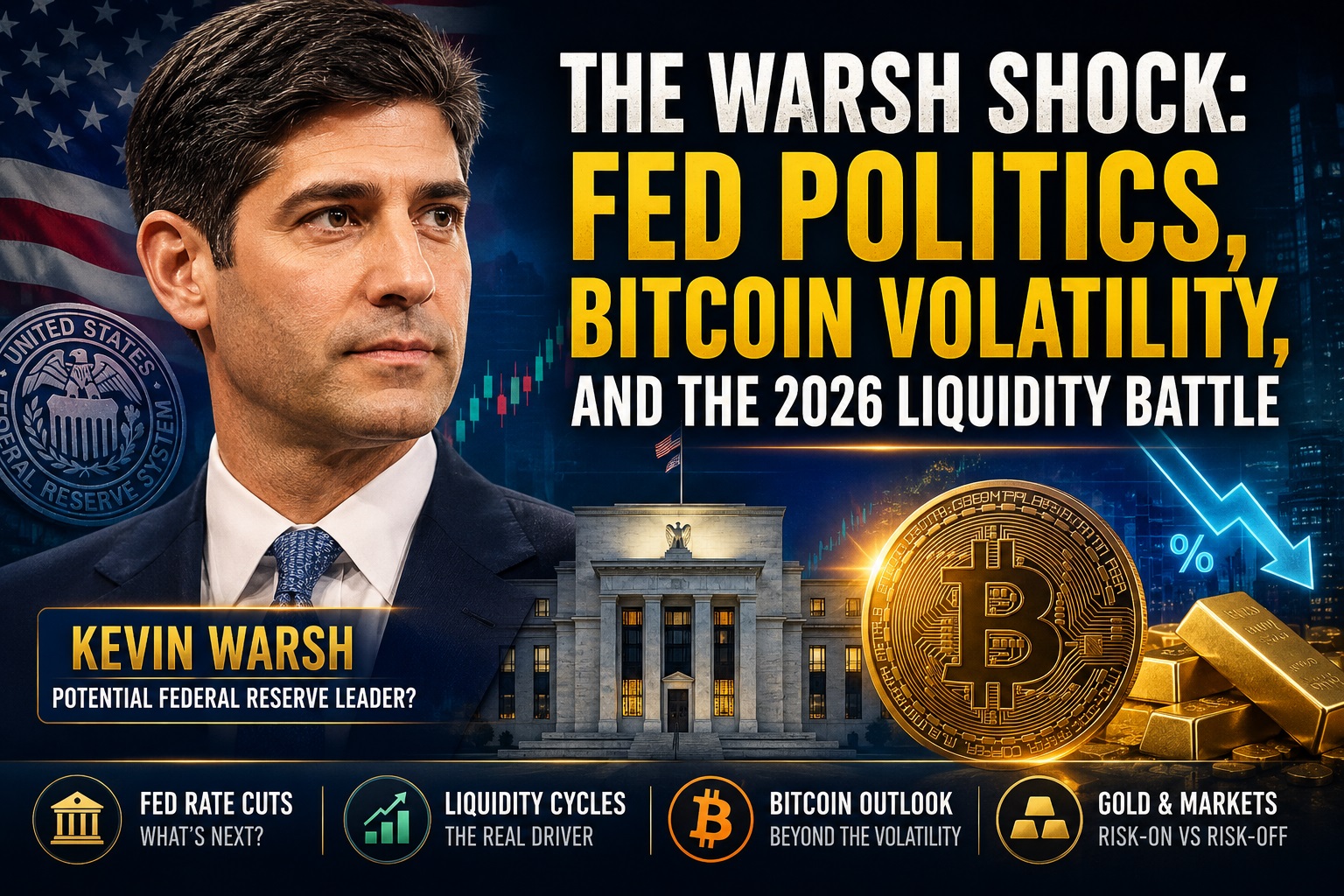
At a sensitive crossroads for global markets—where gold and silver have been gripped by a bullish fever and the U.S. Dollar’s dominance is being questioned—President Trump has named his pick to lead the Federal Reserve, the world’s most powerful financial institution. Enter Kevin Warsh, a name that has suddenly surged back to the pinnacle of American monetary policy.
Trump heralded Warsh as potentially one of the greatest Fed Chairs, but behind this appointment lies a story far larger than one man: it is a battle for the very independence of the central bank.
Understanding Kevin Warsh: The Evolution of a Cautious Monetary Hawk at the Fed
Kevin Warsh has spent a good deal of time at the Fed. Serving on the Board of Governors from 2006 to 2011 positioned him at the center of the 2008 Subprime Mortgage Crisis. He gained valuable insights during that time because he saw the issues unfold directly. This gave him an unusual perspective on the financial challenges. Back then, he had a reputation for being quite cautious about inflation, frequently suggesting higher interest rates even when markets were a bit shaky.
The 2025 version of Warsh, though, seems to have changed. He recently said he supports cutting rates, which lines up with Trump's plans and is a change from his previous tough stance. This raises a critical question: Has the man changed, has the economic landscape shifted, or is the definition of Fed Independence being rewritten?
Donald Trump’s Federal Reserve Strategy: Exploring the Market Psychology Behind the Warsh Nomination
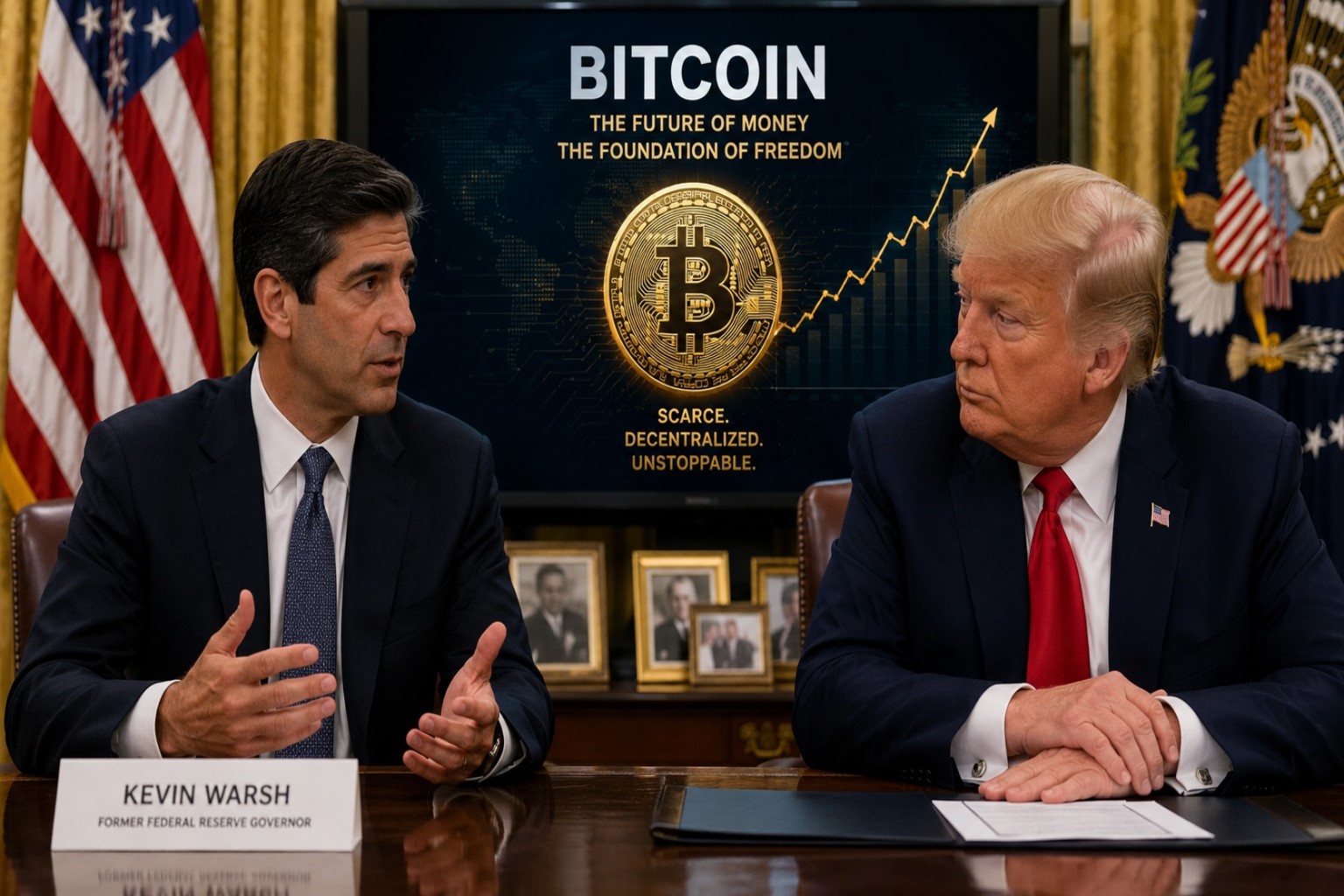
Trump’s objective is clear: lower interest rates to fuel growth. According to Bloomberg, investors are now scrambling to identify the "real" Kevin Warsh. Is he the inflation-fearing hawk of 2008, or the new ally seeking lower rates at any cost?
The appointment is as political as it is economic. Warsh, a former economic advisor to Trump and a George W. Bush appointee, boasts deep Wall Street ties and significant personal wealth (his wife is part of the politically influential Lauder family).
Interestingly, Trump used this announcement as a psychological weapon. By floating a name associated with Hawkish roots during a period of record-high gold prices and extreme market leverage, he triggered a correction by headline. The mere prospect of a Warsh-led Fed—initially perceived as a signal for higher for longer rates—sparked a wave of panic selling, briefly boosting the Dollar and cooling off overheated commodities.
How Do Federal Reserve Interest Rate Cuts Affect Bitcoin and the Broader Cryptocurrency Market?
If you’re waiting for a rate cut to be the 'magic button' for Bitcoin, history suggests it’s a bit more complicated. We’ve seen everything from the 2019 moonshot to the 2020 'liquidity bazooka' that sent prices into the stratosphere. However, the game has changed. Lately, like we saw in 2024, the market tends to bake these expectations into the price months in advance. By the time the cut actually hits the wires, the smart money has already moved on, proving that in crypto, anticipation is often more powerful than the event itself.
While the Warsh Headline caused immediate volatility, the underlying thesis for 2026 remains tied to the interest rate cycle. As a crypto market expert, here is how the mechanics of a Fed rate cut influence Bitcoin:
1. The Impact of Lower U.S. Treasury Yields on Investor Demand for High-Return Assets
A rate cut reduces the yield on "safe" assets like U.S. Treasuries. When the "cost of money" drops, the Dollar’s appeal as a savings vehicle diminishes on a medium-term basis. Investors, hungry for higher returns, rotate out of stagnant cash and into Risk-On assets.
2. Why Bitcoin’s Fixed Supply Makes It a Premium Scarcity Asset During Expansionary Monetary Policy
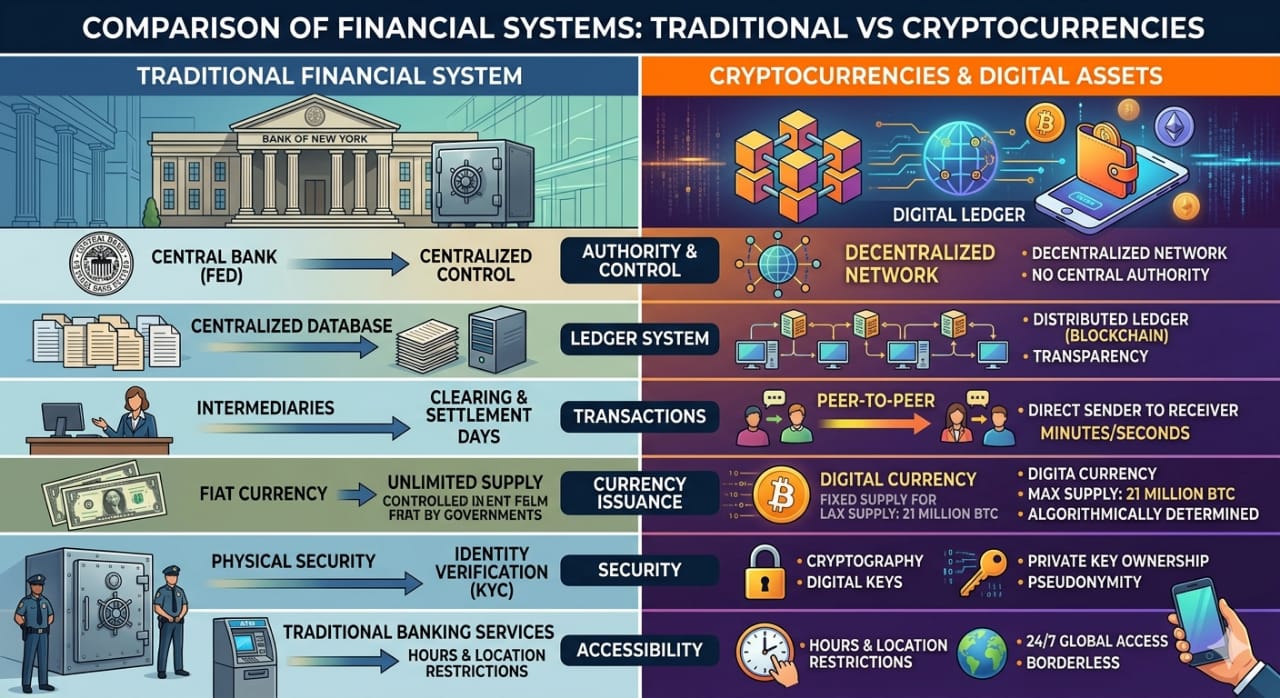
Bitcoin has a fixed supply, which sets it apart from traditional money. This limited amount is a key difference when you consider how central banks can change policies related to fiat currencies. When money is plentiful and borrowing costs are low, Bitcoin often attracts some of that available capital.
3. Analyzing the Current Crypto Market Context: Surviving the Warsh Shock and Awaiting the Liquidity Wave
We have seen Bitcoin retreat from its late-2025/early-2026 highs of $90,000, dropping nearly 14% to settle below the $78,000 mark. This correction was fueled by the "Warsh Shock" that sent gold and silver tumbling. However, if the Fed—under Warsh or current leadership—eventually pivots to aggressive rate cuts:
• The "Liquidity Wave": Historically, crypto thrives when the Dollar weakens and liquidity enters the system.
• The Lag Effect: The impact isn't always instant. Initial rate cuts can sometimes coincide with economic fear, causing investors to hoard cash briefly. But once the dust settles, Bitcoin typically leads the recovery.
📦 Macro Insight Box: Bitcoin vs Fed Rate Cycles (2019–2024)
Key takeaway:
Bitcoin does not react directly to rate cuts, but to liquidity expansion that follows them.
📊 Historical Patterns
-
2019 cycle:
Rate cuts → Bitcoin rose from ~$4,000 to ~$13,000 (+300%) -
2020 QE cycle:
Massive liquidity → Bitcoin surged from ~$7,000 to ~$69,000 -
2024 early cuts:
Limited reaction → markets were already priced in
⚠️ Market Insight
- Immediate effect = short-term volatility
- Main impact = 3 to 9 months delay
- Key driver = liquidity expansion, not the rate cut itself
“In Bitcoin markets, liquidity matters more than interest rates themselves.”
The Bottom Line: What the Next Federal Reserve Leadership Means for Long-Term Bitcoin Liquidity
At the end of the day, the real story isn't just about Kevin Warsh; it’s about the strategic "chess game" Trump is playing with the global markets. Floating a name with a "Hawkish" reputation was a calculated move—a cold splash of water designed to cool down the boiling fever in gold and crypto. But make no mistake, it’s a tactical maneuver, not a permanent shift. The endgame remains the same: lower rates and fueled growth.
For the disciplined Bitcoin investor, the "Warsh Shock" is more of a speed bump than a dead end. History has taught us that liquidity is king. Once the political dust settles and the Fed—under whoever's leadership—inevitably pivots toward easing the cost of money, Bitcoin won't just be a bystander; it will likely be the lead runner. We are currently weathering a storm of political theater and short-term volatility, but the core engine—fixed supply meeting a new wave of liquidity—remains as powerful as ever.
Frequently Asked Questions
Q1. Does a Kevin Warsh Fed mean Bitcoin will crash?
Not necessarily. While his "Hawkish" history initially spooked the market, the bigger picture is that he was hand-picked by Trump to help lower rates and spark growth. Short-term volatility is just the market "digesting" the change, but the long-term goal of cheaper money usually acts as rocket fuel for Bitcoin.
Q2. Why did Gold and Bitcoin drop on the news of his nomination?
It’s the classic "Price in the Fear" move. Because Warsh is known for being tough on inflation, the market panicked, thinking interest rates would stay high for longer. This triggered a sell-off in "Risk-On" assets. However, as we’ve seen, these "headline shocks" often settle once investors realize the overall trend is still moving toward more liquidity.
Q3. Is it too late to buy Bitcoin if the Fed starts cutting rates?
Historically, the best time to position yourself is before the cuts are finalized. As we saw in 2024, the market is getting smarter and often "prices in" the cuts months in advance. The real gains usually happen during the anticipation phase, so by the time the news is official, the biggest move might already be behind us.