
INTRODUCTION
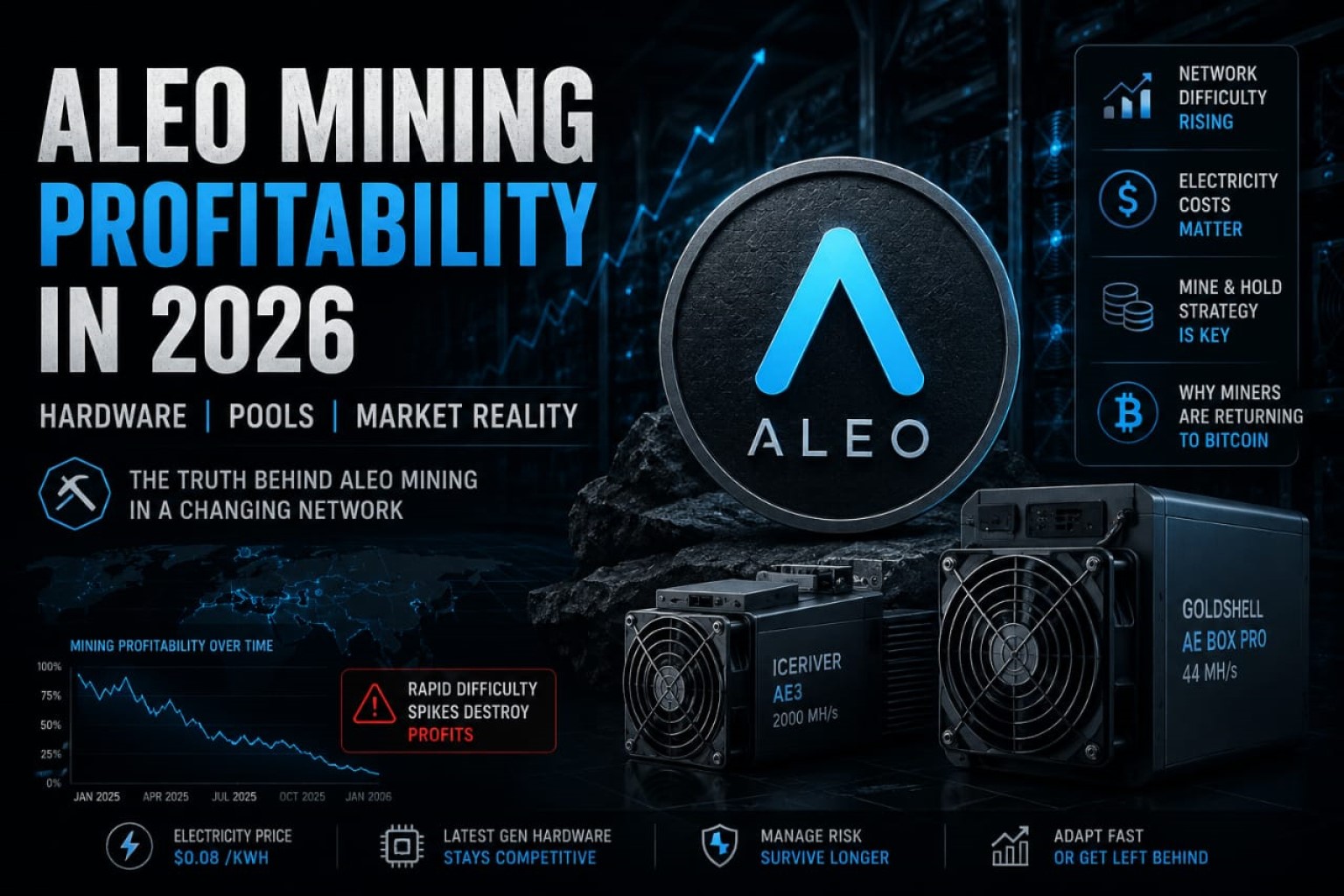
Let’s be honest: mining altcoins in 2026 is a rollercoaster that isn't for the faint of heart. One day you’re celebrating a $40 daily profit on a Goldshell AE-Box, and the next, you’re staring at a 'burnt hashboard' and wondering if your electricity bill is eating your lunch. Ever since the ALEO Mainnet shifted to its PoW + PoS hybrid model last August, the barrier to entry has moved from 'buying a box' to 'managing a portfolio.' It’s a frustrating reality where holding coins is just as important as mining them, and choosing the wrong pool can mean leaving half your potential earnings on the table. While the hype around small-scale altcoin rigs is fading, the big players are quietly shifting their focus back to the steady, reliable grind of Bitcoin. Whether you’re a hobbyist with a couple of devices or a professional looking to scale, it’s time for a no-nonsense look at ALEO mining profitability and why the 'mine and hold' strategy might be your only way to survive the 2026 difficulty spike.
| Manufacturer | Model | Hashrate | Power | Efficiency | Release Date |
|---|---|---|---|---|---|
| Goldshell | AE Box | 37 MH/s | 360W | 9.7 J/MH | January 2025 |
| Goldshell | AE Box Pro | 44 MH/s | 460W | 10.4 J/MH | February 2025 |
| IceRiver | AE0 (Home) | 60 MH/s | 100W | 1.67 J/MH | April 2025 |
| IceRiver | AE1 Lite | 270 MH/s | 500W | 1.85 J/MH | Q2 2025 |
| IceRiver | AE2 | 720 MH/s | 1300W | 1.80 J/MH | Mid-2025 |
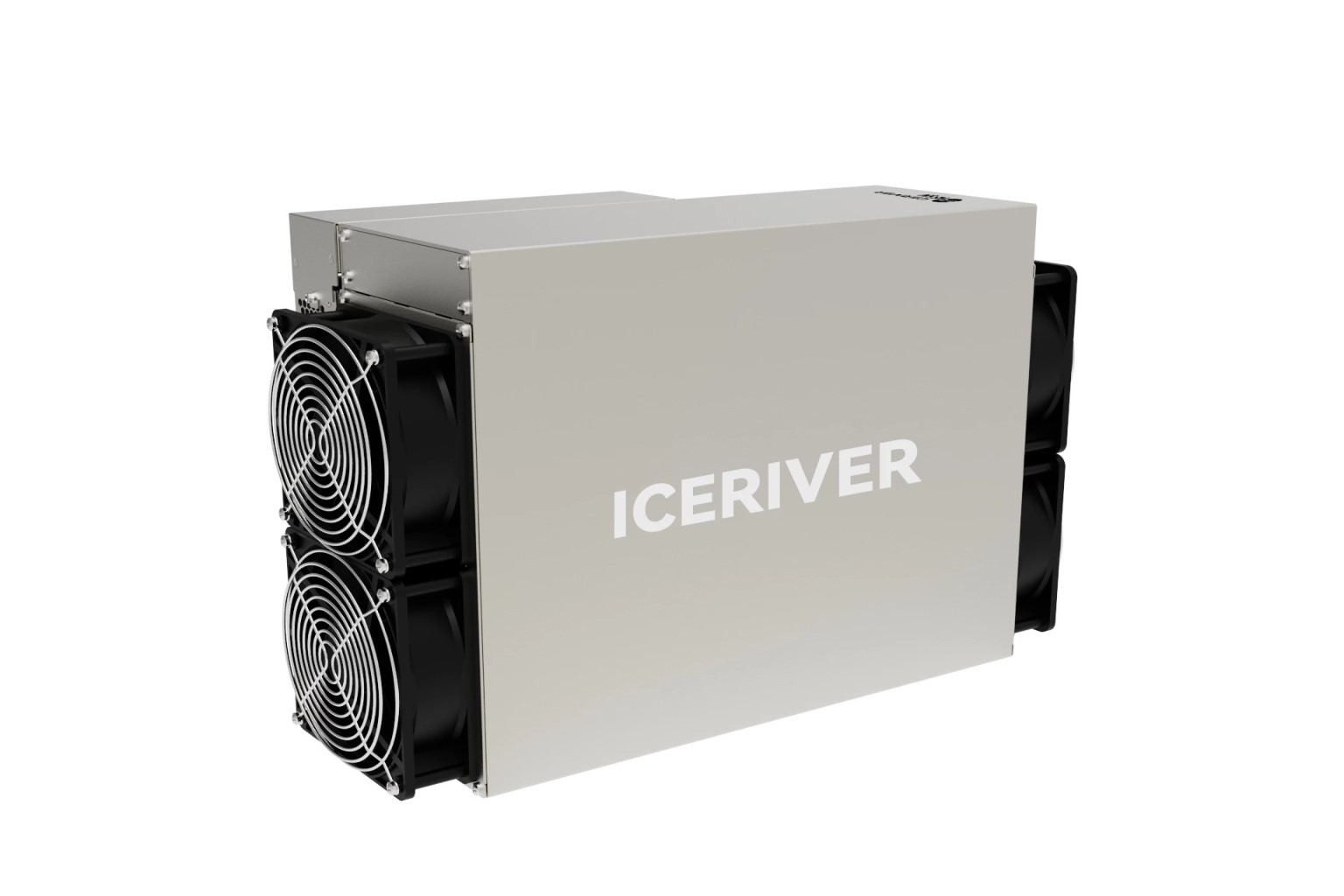
| IceRiver | AE3 (Industrial) | 2000 MH/s | 3400W | 1.70 J/MH | January 2026 |
Understanding the ALEO Proof-of-Work and Proof-of-Stake Hybrid Mining Model
Comparing ALEO ASIC Mining Hardware Performance: Goldshell AE-Box Pro vs IceRiver AE3
Troubleshooting Common ALEO Mining Hardware and Pool Configuration Issues
Many ALEO devices, such as the Ice River and Gold Shell AE Box and Pro, were configured to work on DX Pool, but they have become inefficient there due to the new changes in the mining mechanism. In contrast, Whale Pool offers an easier and more flexible experience. It can automatically reserve the required coins and send profits directly to Coinbase.
Comparing DX Pool vs Whale Pool Strategies for Optimal ALEO Mining Results
Analyzing ALEO Mining Device Performance and Daily Profitability Metrics
Experience shows that some mining devices, especially from Ice River, suffered failures such as burnt hashboards or power supplies even before they reached the unprofitable stage. Generally, at the time of writing, Generations 1 and 2 are losing money at an electricity price of $0.08/kWh, while the third and latest generation is moderately profitable.
Calculating if ALEO Mining is Still Profitable at 0.08 per kWh Electricity
Why Professional Miners are Shifting Focus from Altcoins to Bitcoin Mining
Despite the frustration with altcoin mining, most miners are heavily focused on Bitcoin mining, with larger and more efficient setups. Large-scale Bitcoin mining is considered more profitable and stable today compared to volatile altcoins, where network difficulty increases extremely fast, making a first-generation device obsolete and unprofitable within a few months, making it difficult to recover your investment. Bitcoin remains highly profitable, especially with relatively low electricity prices (8 cents per kWh being a profitable average).
⚠️ CRITICAL WEAKNESS: RAPID DIFFICULTY SPIKES
The biggest profit killer in ALEO mining is the extreme volatility of network difficulty. Unlike Bitcoin, which has a more predictable growth curve, ALEO's difficulty can surge so rapidly that a brand-new miner can lose 30-50% of its daily yield within just a few months. This makes the ROI (Return on Investment) window incredibly tight for anyone not using the absolute latest generation of hardware.
Conclusion: The Final Reality Check on ALEO and Altcoin Mining in 2026
In 2026, ALEO mining isn’t the easy side hustle people imagined at the beginning. It’s messy, competitive, and honestly a bit unforgiving.
What used to be buy a miner, plug it in, and earn has turned into something closer to managing a full strategy. You’re not just mining anymore—you’re balancing staking, pools, electricity costs, hardware risks, and constantly changing network difficulty.
A lot of small miners that looked promising on paper end up feeling more like experiments than income sources. Some days you’re profitable, other days you’re just covering electricity, and sometimes you’re fixing hardware issues you didn’t even expect.
That’s why many miners are quietly shifting their attention back to more stable systems like Bitcoin, where things are slower but far more predictable.
At this point, ALEO mining isn’t really about luck anymore—it’s about who adapts fast, understands the system deeply, and knows when to stay in… or walk away.
Frequently Asked Questions (FAQ)
Q1: Is ALEO mining still profitable with $0.08/kWh electricity?
Only if you are using the latest generation hardware like the IceRiver AE3. Older devices (Generation 1 and 2) often struggle to cover operational costs at this electricity rate due to the rapid increase in network difficulty.
Q2: Which is better for ALEO mining: DX Pool or Whale Pool?
While both are popular, Whale Pool is currently favored by many for its flexibility. It simplifies the process by managing coin reservations and offering direct payouts to major exchanges like Coinbase, making it more user-friendly for 2026’s hybrid model.
Q3: Why does my mining profit decrease even when the coin price is stable?
This is usually due to Network Difficulty Spikes. As more powerful hardware enters the market, the network requires more computational power to earn the same reward, which dilutes the earnings of individual miners over time.
Q4: Should I switch from ALEO to Bitcoin mining?
Bitcoin mining is generally more stable and predictable for long-term investment. While ALEO can offer higher short-term burst profits, many professionals are returning to Bitcoin to avoid the high hardware turnover and volatility associated with newer altcoins.