INTRODUCTION
Considering the continued ups and downs within the market of cryptocurrencies, along with the annually growing costs of energy, miners are facing a challenging situation on two fronts: profitability is decreasing and electricity bills continue to rise. Coming at just the right time, the release of the new Canaan A16 series is sure to change things around with unprecedented energy efficiency that will alter the rules of the game for both small and large-scale miners. Therefore, we will review the ASIC devices from this series, which were released in March and April 2026.
How Canaan A16 Series ASIC Technology Achieves Next-Generation Bitcoin Mining Efficiency
The new A16 series from Canaan represents a qualitative leap in mining efficiency, relying on advanced ASIC chips characterized by the following:
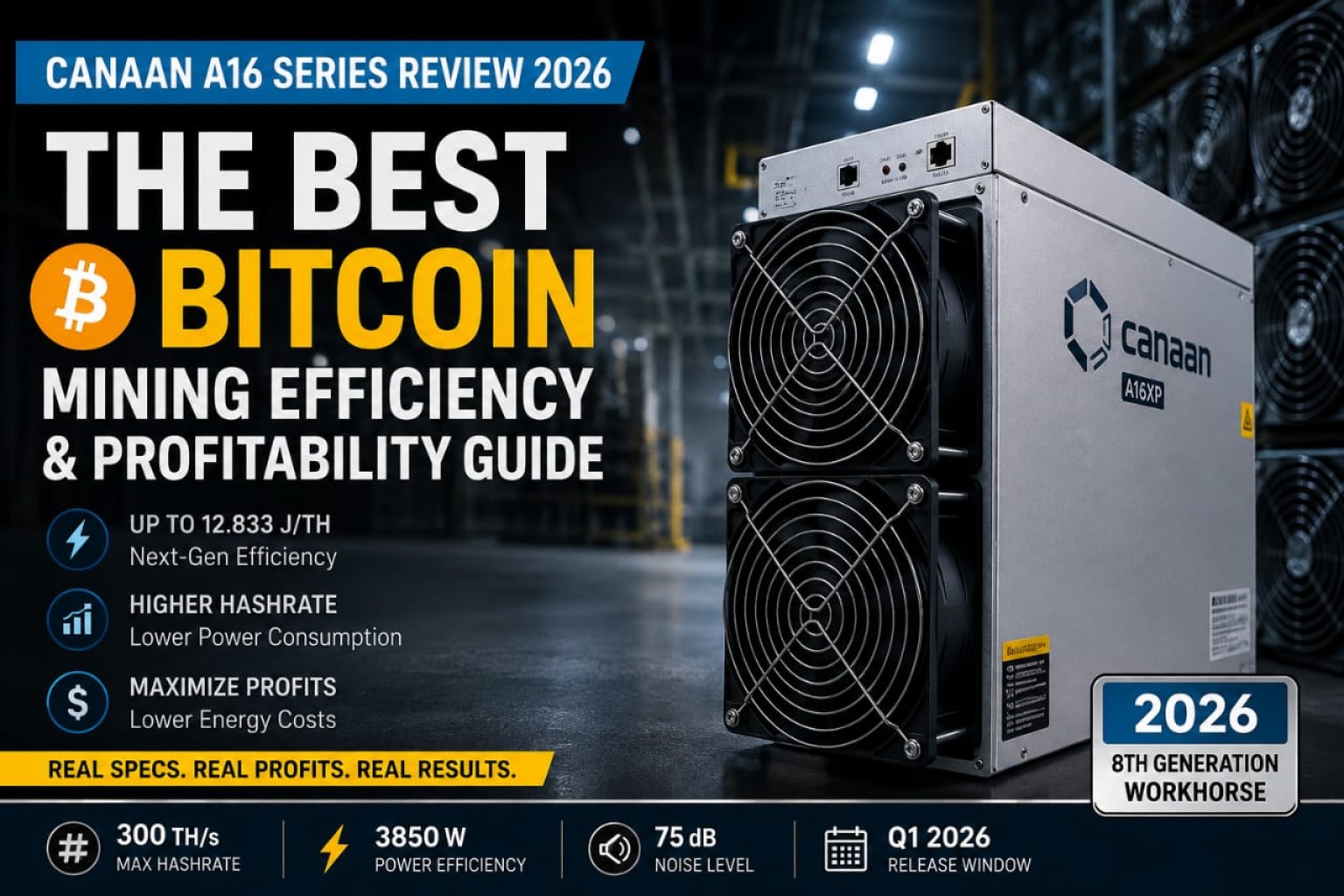
• Energy Efficiency: Efficiency reaches 12.833 Joules per Terahash (J/T) in advanced models and 13.83 J/T in economic models.
• Performance Comparison: When compared to the Avalon-Q (which consumes approximately 18.8 J/T), we find that the new series provides more than a 33% reduction in electricity consumption, which means massive savings in long-term operating costs.
• Transition to Home Miners: This technology is expected to migrate quickly to the "Mini Miners" series, providing home users with professional mining power at a smaller size and lower cost.
Bitcoin Mining Profitability vs Electricity Cost: Calculating Your Real ROI Equation
The feasibility of mining today depends entirely on the "price per kilowatt-hour." Here is an analysis of the current figures:
• At $0.08 per kWh: The new devices achieve profits ranging from $3 to $4 per day after deducting costs.
• At $0.045 per kWh: Profits jump to approximately $6.5 per day, representing a significant difference in Return on Investment (ROI)—which is excellent for low electricity costs.
The Current Reality: Many miners suffer from "profit erosion" due to high electricity prices on one hand and the decline in Bitcoin's value on the other, especially at this time. This sometimes makes the miner feel they are working only to "enrich the electricity companies.
Home Bitcoin Mining with Mini ASIC Devices: Is the Continuous Lottery Concept Worth It?
Devices like the Canaan Nano 3S (priced at approximately $300) remain the most attractive option for beginners:
• Mining Power: It grants you approximately 6 Terahashes per second (Th/s).
• The Chance of Winning: Although the chance of finding a solo block is 1 in 1.4 million every 10 minutes, it acts as a permanent lottery ticket that never expires as long as the device is running.
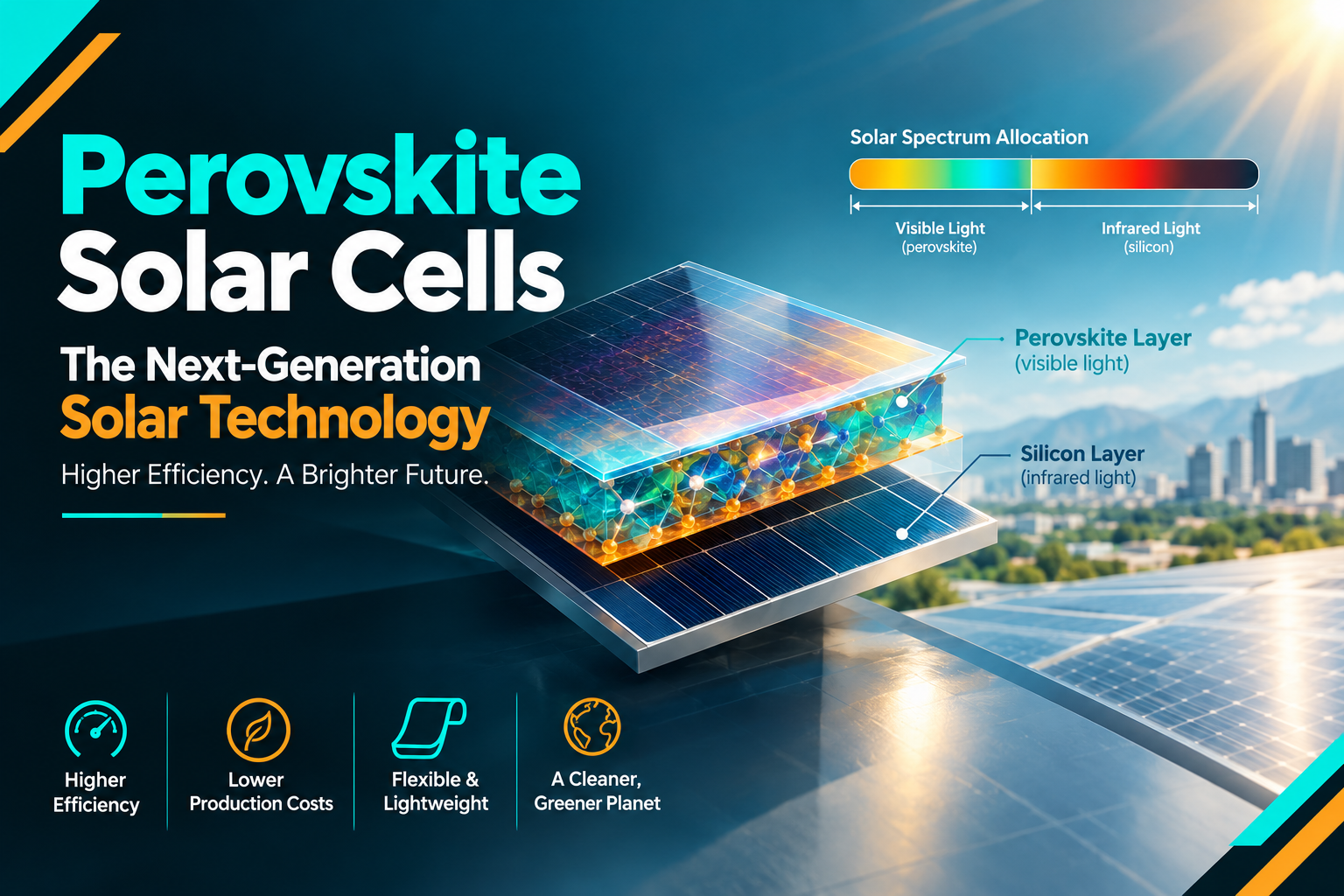
Reducing Mining Costs with Solar Energy: A Strategic Solution for Professional Miners
To escape the trap of energy costs, two strategic options emerge for miners:
1. Effective Cost Reduction: By integrating solar energy to reduce reliance on the public grid.
2. Full Energy Independence: Building a solar array capable of operating a specific number of devices (e.g., 10 devices) throughout the year to achieve a "Zero Electricity Bill."
Canaan Avalon A16 Series Specifications and Hardware Review (2026 Models)
This series consists of only two versions, both released in the first quarter of the year (March and April 2026). Both are considered part of the 8th generation—the generation preceding the current 9th generation (such as Bitmain's S23 series).
Avalon A16-282T Bitcoin Miner (282Th/s) Technical Specs
• Power: 3900W • Efficiency: 13.83 J/Th • Noise: 75 dB
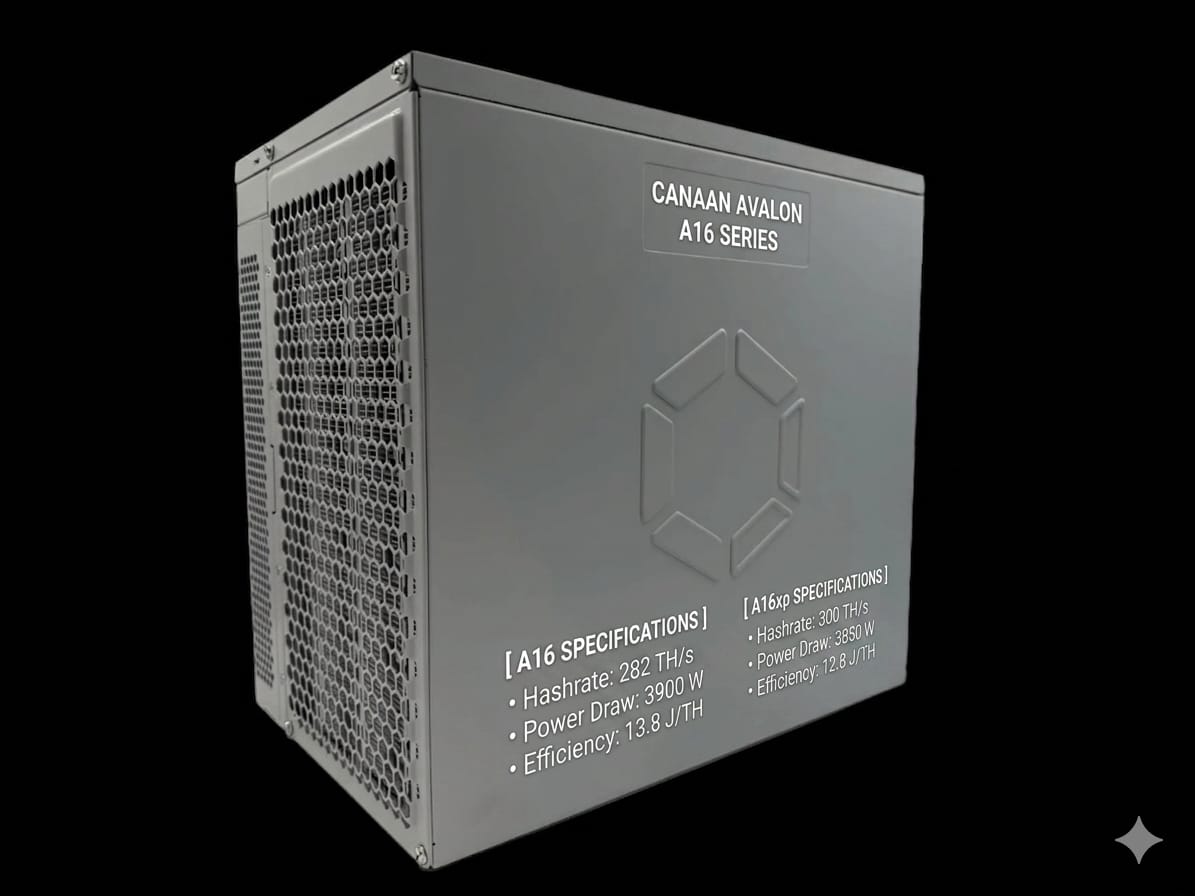
Avalon A16XP-300T Bitcoin Miner (300Th/s) Technical Specs
• Power: 3850W • Efficiency: 12.833 J/Th • Hashrate: 300 TH/s
The two devices are very close to each other and are nearly 100% identical, especially in dimensions and noise levels. They differ only by 50 Watts in power consumption and a difference of 18 hashes between the two versions, and this gap may equalize or increase in actual usage.
.a16-table-wrap { max-width: 100%; margin: 25px auto; font-family: 'Segoe UI', Roboto, Helvetica, Arial, sans-serif; overflow-x: auto; } .a16-table { width: 100%; min-width: 320px; border-collapse: separate; border-spacing: 0; border-radius: 8px; border: 1px solid #e2e8f0; background-color: #ffffff; } .a16-table caption { caption-side: top; text-align: left; font-weight: 700; margin-bottom: 12px; color: #1e293b; font-size: 1.1em; } .a16-table thead th { background: #f8fafc; color: #334155; font-weight: 700; padding: 14px; border-bottom: 2px solid #e2e8f0; text-align: left; } .a16-table th, .a16-table td { padding: 12px 15px; border-bottom: 1px solid #f1f5f9; font-size: 14px; line-height: 1.5; } .a16-table tbody tr:nth-child(even) { background-color: #fcfdfe; } .a16-table tbody tr:hover { background-color: #f1f5f9; } .a16-table .rowhead { font-weight: 600; color: #475569; background-color: #f8fafc; width: 30%; } .badge { display: inline-block; padding: 2px 8px; border-radius: 4px; font-size: 11px; font-weight: 700; text-transform: uppercase; margin-left: 4px; } .badge-good { background: #dcfce7; color: #166534; border: 1px solid #bbf7d0; } .badge-note { background: #fef9c3; color: #854d0e; border: 1px solid #fef08a; } /* Mobile Optimization */ @media (max-width: 600px) { .a16-table thead { display: none; } .a16-table, .a16-table tbody, .a16-table tr, .a16-table td { display: block; width: 100%; } .a16-table tr { margin-bottom: 15px; border: 1px solid #e2e8f0; border-radius: 8px; overflow: hidden; } .a16-table td { text-align: right; padding-left: 50%; position: relative; border-bottom: 1px solid #f1f5f9; } .a16-table td::before { content: attr(data-label); position: absolute; left: 15px; width: 45%; white-space: nowrap; font-weight: 700; text-align: left; color: #64748b; } .a16-table .rowhead { background-color: #334155 !important; color: #ffffff !important; text-align: center !important; padding-left: 15px; width: 100%; } .a16-table .rowhead::before { content: ""; } }| Specification | Avalon A16-282T | Avalon A16XP-300T |
|---|---|---|
| Hashrate | 282 TH/s | 300 TH/s Higher |
| Power | 3900 W | 3850 W Lower |
| Efficiency | 13.83 J/TH | 12.833 J/TH Better |
| Cooling | 2 Fans | 2 Fans |
| Noise Level | 75 dB Loud | 75 dB Loud |
| Dimensions | 366×213×300 mm | 366×213×300 mm |
| Release Window | Q1 2026 | Q1 2026 |
Final Conclusion and Next Steps for Bitcoin Miners in 2026
The current market is undergoing a "filtering" phase, where only those with the most efficient hardware and lowest energy costs survive. If you are considering entering or expanding in this field:
• Do not rush to buy at currently high prices; hardware prices may drop if Bitcoin continues to stagnate.
• Research alternative energy solutions as a primary necessity rather than a secondary option. We have prepared several articles regarding this matter.
Frequently Asked Questions: Canaan A16 Series
Q1: Is it really worth upgrading to the A16 if I already have the Avalon-Q?
Honestly, it depends on your electricity rate. If you’re paying more than $0.07 per kWh, the 33% jump in efficiency isn't just a nice update—it’s the difference between staying in the green or losing money every month. If your power is practically free, you can afford to wait, but for everyone else, the A16 is a massive shield against rising energy costs.
Q2: Why is there a price gap between the 282T and the 300T if they look identical?
It comes down to the "silicon lottery." The A16XP-300T uses higher-quality chips that can squeeze out more hashrate while actually using less power (3850W vs 3900W). You're paying a premium for that "XP" (Extreme Performance) tag which gives you better efficiency. Over a year of 24/7 mining, that small power saving adds up significantly.
Q3: Can I actually run an Avalon A16 in my guest room or garage?
Technically yes, but practically? You’ll need a plan for the noise. At 75 dB, these units sound like a vacuum cleaner running right next to your ear. Unless you have a dedicated soundproof box or a remote garage, the noise—and the massive heat output—will be too much for a living space. For a "quiet" home setup, you’re much better off looking at the Canaan Nano series.
Q4: Will the A16 become obsolete once the 9th generation (S23) dominates the market?
Not immediately. While the S23 series is the new king, the A16 is positioned as a high-tier 8th-generation workhorse. It’s designed to be a "value-for-money" king. As long as your electricity cost is optimized (especially if you use solar energy), the A16 will remain a profitable asset well into 2027 and beyond.