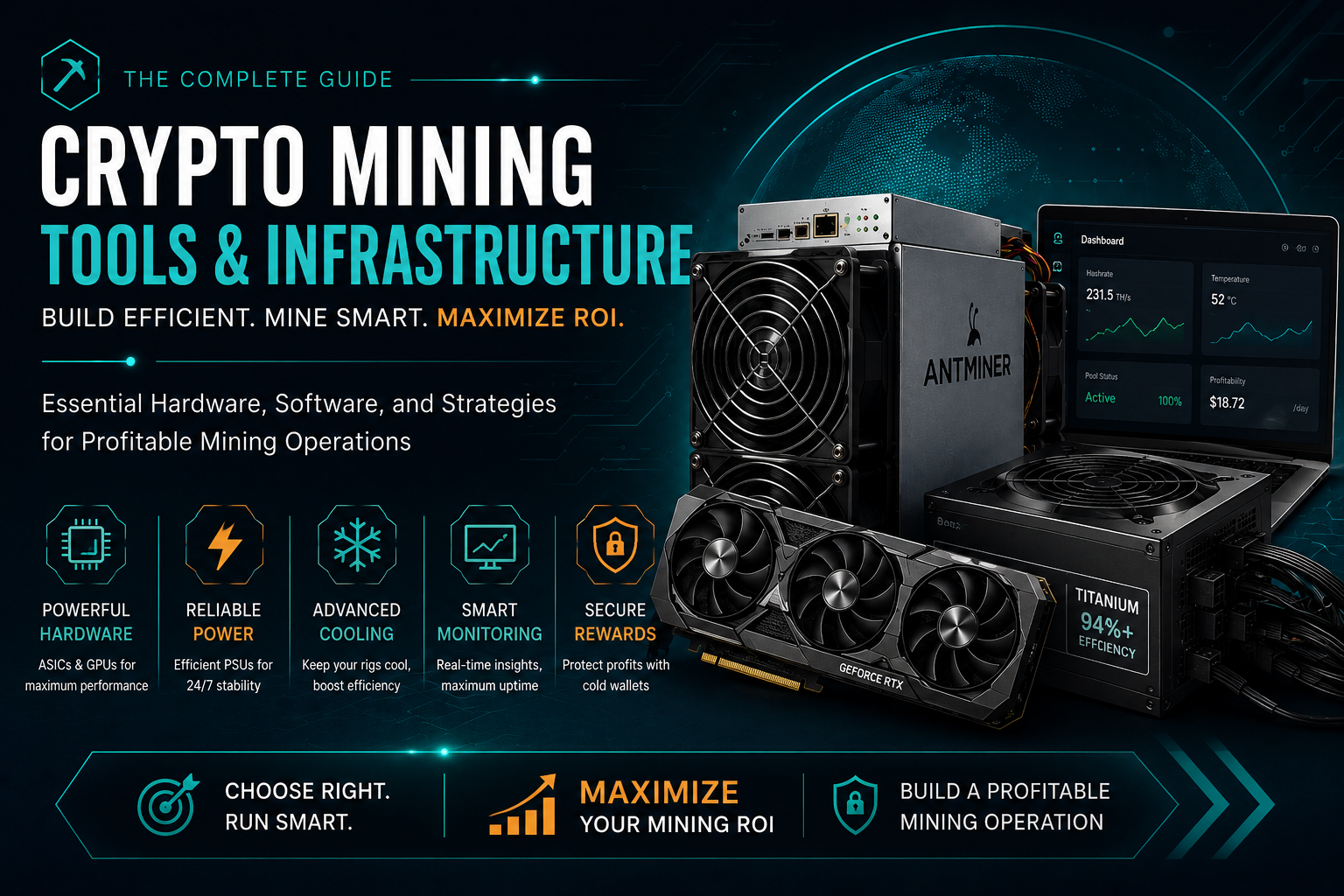
Mining-as-a-Service Guide 2026: Strategic Operators and Industrial Cost Structures
By 2026, the cloud mining industry has transitioned from a retail-centric "rent-a-miner" service into a sophisticated Mining-as-a-Service (MaaS) financial model. In this landscape, success is no longer defined merely by hardware ownership but by the mastery of the entire value chain—from sovereign energy agreements to next-generation immersion cooling technologies.
Future of Cloud Mining: Understanding the Industrial-Scale MaaS Model
In the current market, cloud mining is defined as a large-scale industrial operation where hash power is generated within physically owned or long-term leased data centers. These facilities are operated by specialized entities that monetize their computational output through short- to mid-term hash-rate contracts. One of the main benefits of this framework is how it moves Capital Expenditure and Operational Risks, like hardware upkeep, cooling needs, and getting power, from the client to the operator.This setup allows large investors and institutional funds to get involved with Bitcoin production. They can gain exposure without the usual issues that come with managing a fleet of ASICs themselves.
Top Bitcoin Cloud Mining Platforms 2026 and Their Strategic Advantages
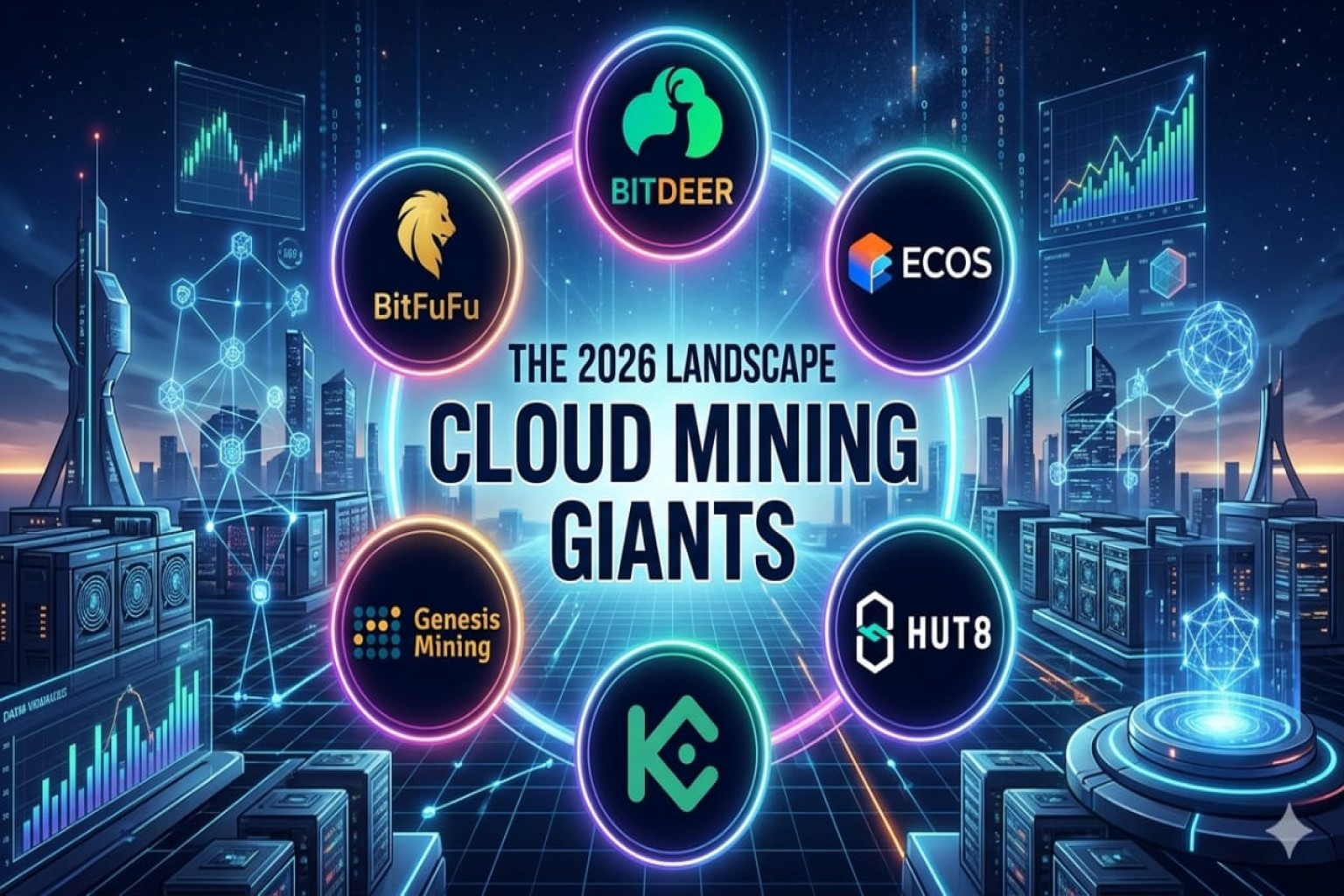
The 2026 market shows publicly traded firms leading the way, often through their geographic diversity and vertical integration.Bitdeer Technologies Group (NASDAQ: BTDR) is a company we'll be discussing.Bitdeer really sets the standard for vertically integrated mining, offering a complete set of solutions.They have extensive sites in Bhutan, Norway, and the US, so they manage their own energy supply.They’ve managed to get one of the industry's best power-to-hash ratios by using Antminer S21 series equipment in custom immersion-cooled setups. BitFuFu Inc. (NASDAQ: FUFU) As Bitmain’s primary strategic partner, BitFuFu enjoys priority access to the latest ASIC technology. Their 2026 strategy involves (Energy Arbitrage) shifting significant operations to Ethiopia to utilize low-cost hydroelectric power thereby lowering the average electricity cost per Terahash (TH) across their global portfolio. ECOS Mining Operating from Armenia's Free Economic Zone, ECOS remains unique due to its state-regulated infrastructure.In the energy market of 2026 which is quite unpredictable, finding stability in pricing is rare. They offer a pricing structure that helps with price predictability through a nuclear-supported grid with fixed long-term tariffs.
Calculating Mining Profitability in 2026: Cost Structure and Hashprice
Profitability in 2026 is governed by a precise mathematical framework. It is no longer just about BTC price, but the Hashprice (the dollar value of 1 TH/s per day).
2026 Profitability Algorithm
Net Profit = (Hashrate × Hashprice) − (Consumption × Electricity Rate) − OpEx
Where Hashprice reflects the USD value of 1 TH/s per day, accounting for network difficulty and block subsidies.
Comparative Analysis: Cloud Mining Providers Comparison Table (2026)
| Operator | Energy Stability | Infrastructure Control | Transparency | Risk Level | Overall Rating |
|---|---|---|---|---|---|
| Bitdeer | Very High | Full Ownership | High | Medium | ⭐⭐⭐⭐½ |
| BitFuFu | Med-High | Partner + Owned | High | Medium | ⭐⭐⭐⭐ |
| Genesis (GDA) | Medium | Private Owned | Medium | Medium | ⭐⭐⭐½ |
| ECOS | Very High | Regulated Center | High | Low-Medium | ⭐⭐⭐⭐ |
| Hut 8 | Medium | Full Ownership | Very High | Medium | ⭐⭐⭐⭐½ |
| KuCoin Cloud | Variable | Third-Party | Low-Medium | Higher | ⭐⭐½ |
Significant variables affecting ROI include: Energy Density: The industry standard has moved toward 15–20 J/TH. Grid Stability: Operators with "Baseload" power agreements outperform those relying on spot-market electricity prices.
The Bottom Line: Survival of the Efficient
In 2026, the "wild west" of cloud mining has officially died, replaced by a ruthless era of industrial efficiency. The days of speculative clicking are over; this is now a game of infrastructure, where only those with direct access to sovereign power grids and massive liquid-cooling plants survive.
For the investor, the choice is no longer about finding the flashiest website, but about vetting the balance sheets of the giants. In a market where network difficulty is a constant predator, your only defense is an operator who owns their power, controls their hardware, and can weather the volatility that crushes the unprepared. Success in 2026 isn't about mining more—it's about spending less.
Profitability in 2026 is governed by a precise mathematical framework. It is no longer just about BTC price, but the Hashprice (the dollar value of 1 TH/s per day).