
INTRODUTION
Bitcoin mining has undergone a radical transformation in its short life. We’ve moved from the early days of hobbyists mining on home PCs to a landscape dominated by massive, centralized industrial operations. Today, the industry stands at a crossroads: does it continue toward further consolidation, or can it return to its roots of being open and distributed?
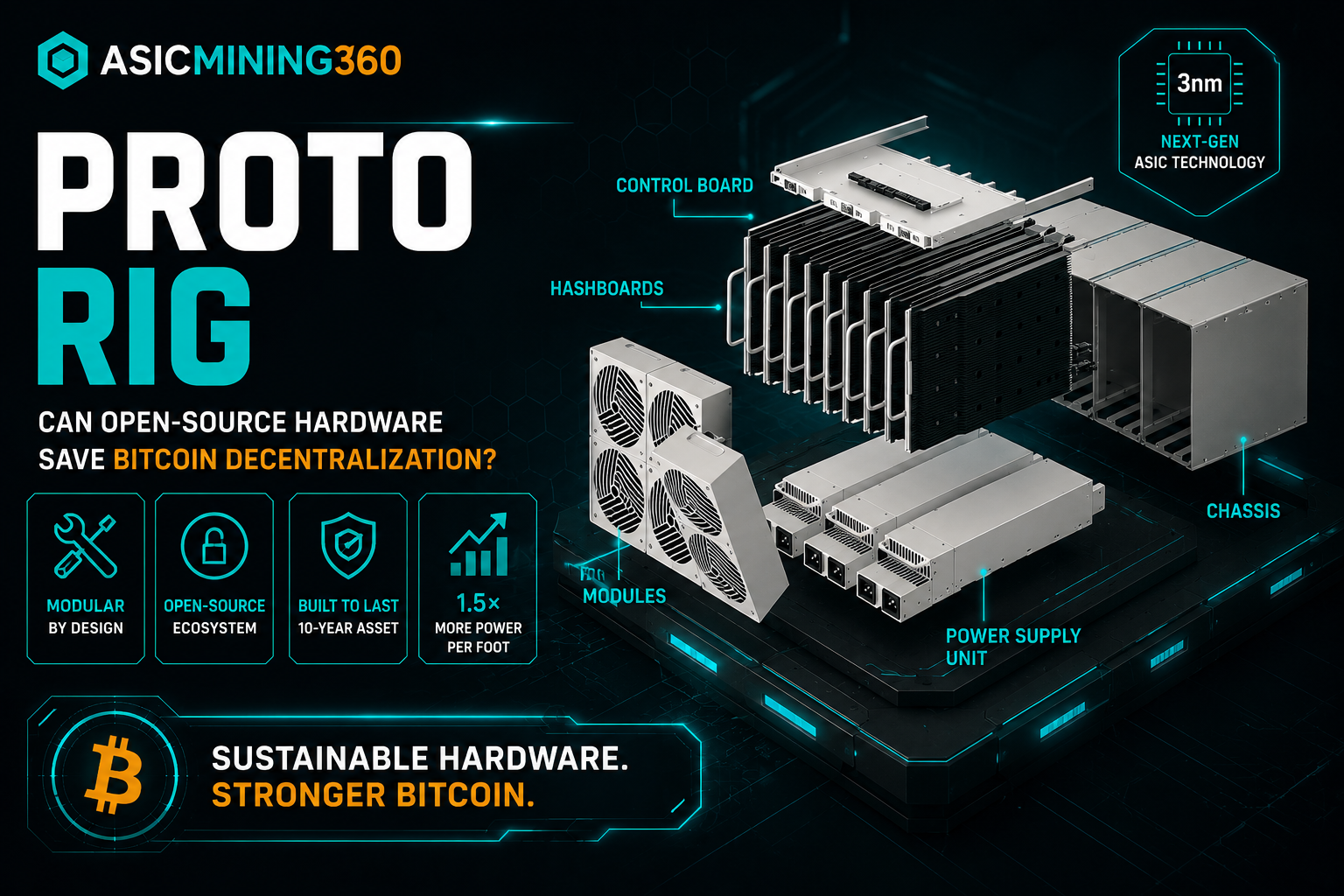
Proto, a venture under Jack Dorsey's Block, is betting on the latter. Their solution, the Proto Rig, isn’t just another miner; it’s a direct challenge to the "disposable" nature of modern mining hardware.
Breaking the "Rip and Replace" Cycle
The biggest headache for mining operators today is the "rip and replace" cycle. Most machines have a shelf life of three to five years before they become obsolete "e-waste." This creates a constant, expensive scramble to upgrade.
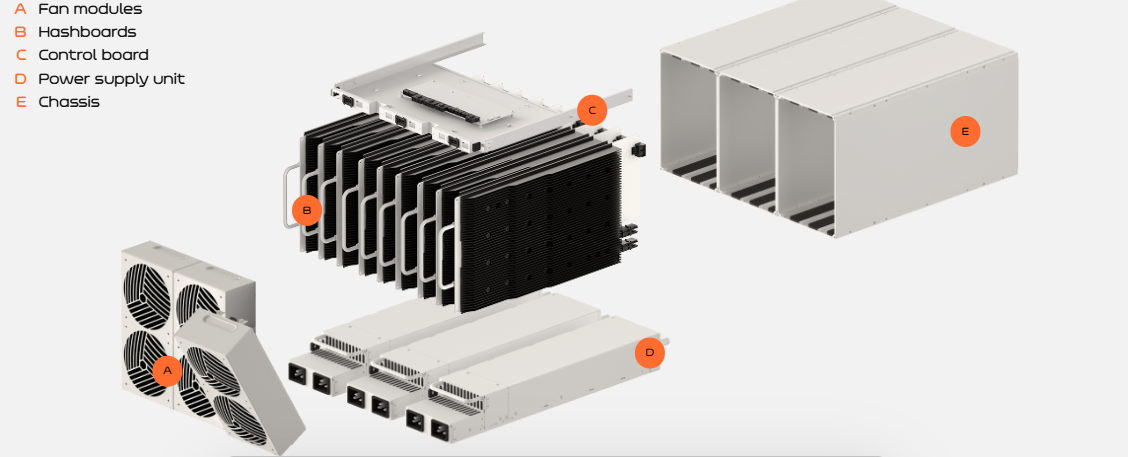
Proto is flipping this script with a modular design.
• Built to Last: The rig is designed as a 10-year infrastructure asset rather than a short-term gadget.
• Easy Maintenance: Its 9-hashboard system is built into a sturdy frame where components can be swapped out almost as easily as loading a dishwasher.
• High Density: Despite its modularity, it delivers 1.5× the power per foot of rack space compared to the standard "shoebox" miners that currently dominate the market.
By making the hardware repairable and upgradable, Proto claims operators can cut upgrade costs by 20% and virtually eliminate downtime.
Under the Hood: 3nm Power and Industrial Cooling
Proto isn’t just focusing on the "shell"; they are pushing the limits of semiconductor technology. They are "building in the open," using a cutting-edge 3nm ASIC architecture.
Here is how the specs break down in a real-world setting:• Power Consumption: The rig is a beast, designed to handle up to 12,000 watts on 208–240V systems.
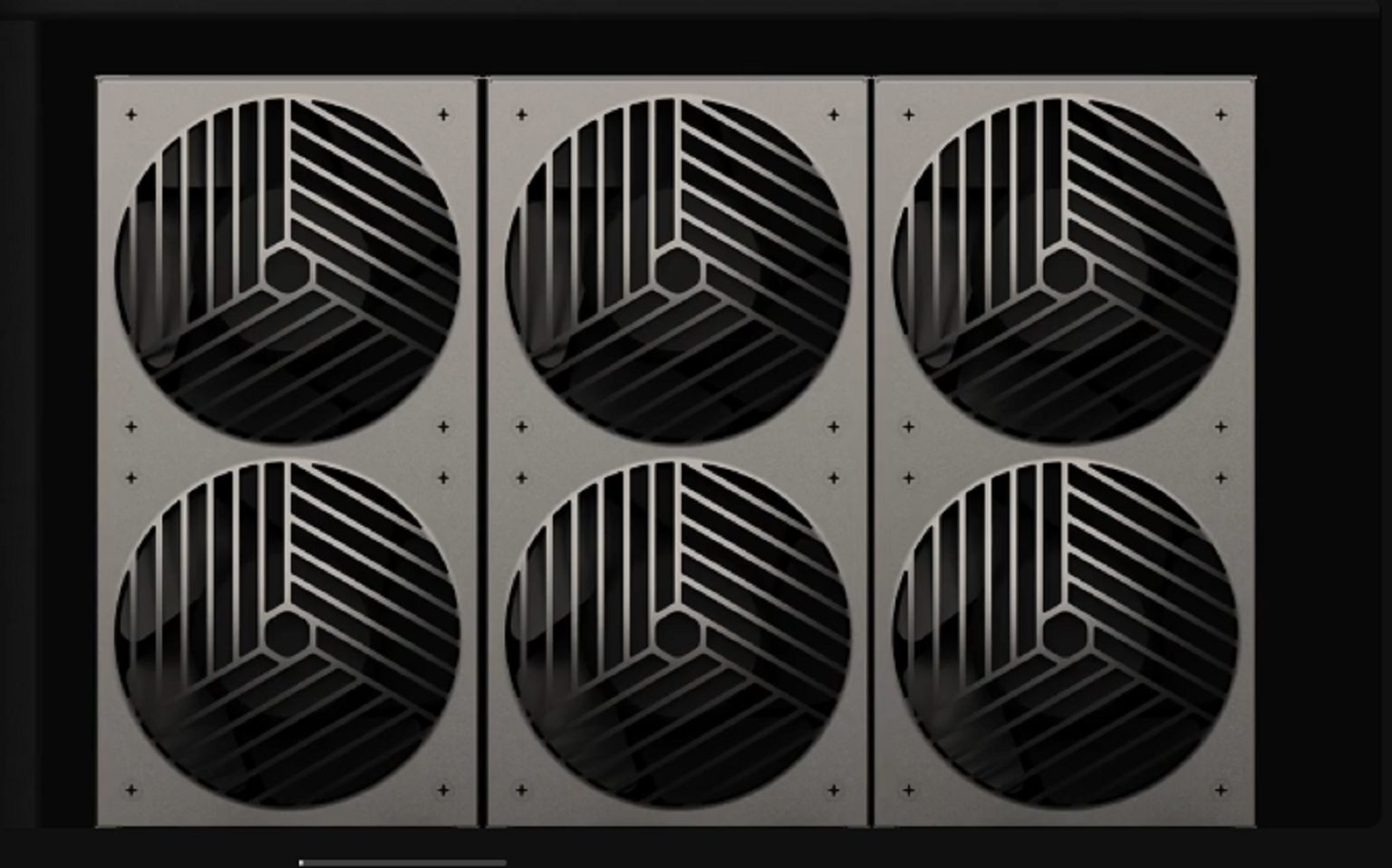
• Cooling Excellence: To manage that heat, it uses six industrial-grade fans. While it produces a significant 80 dB of noise, the cooling system is "fail-safe"—if a fan or board goes down, the machine keeps hashing while you perform toolless repairs on the rack in seconds.
• Open Ecosystem: Perhaps most importantly, Proto is offering these 3nm chips as standalone products. This allows developers worldwide to create their own custom cooling or heat-reuse solutions, moving the "secret sauce" of mining out of the hands of a few manufacturers and into the public domain.
The Economics: ROI and Long-Term Value
At the end of the day, mining is a business. The Proto Rig is positioned as a premium but highly efficient investment.
| Metric | Estimated Value |
|---|---|
| Initial Investment | $5,000 – $8,000 |
| Daily Profit (at $0.08/kWh) | ~$9.00 |
| ROI (Break-even) | ~630 Days |
| Operational Lifespan | 10 Years |
While a 630-day ROI might seem standard, the longevity is the differentiator. In two years, when a standard miner might be heading for the scrap heap, the Proto Rig is designed to still be a primary asset, easily refreshed with the next generation of hashboards.
The Verdict: A Paradigm Shift
The Proto Rig, combined with their Proto Fleet management software, represents a shift from "consumable" hardware to "sustainable" infrastructure. By making the blueprints open and the hardware repairable, Proto is making a play for a future where Bitcoin remains secured by many, not just the powerful few. It’s a bold move that treats Bitcoin mining less like a tech race and more like the essential, long-term utility it has become.
The Ultimate Guide to Proto Rig: Frequently Asked Questions on Open-Source Bitcoin Mining Hardware & 3nm Technology
Q1. What exactly makes the Proto Rig different from standard "shoebox" miners?
Most traditional miners are designed as single-use machines; when a component fails or the tech becomes obsolete, you often have to replace the entire unit. The Proto Rig breaks this cycle with a modular design. Think of it as a permanent piece of infrastructure where you can easily swap out individual hashboards or fans—much like upgrading parts in a desktop PC—rather than throwing away the whole machine every few years.
Q2. Is it really possible to keep a mining rig running for a full decade?
That’s the goal. By moving away from the "rip and replace" model, the Proto Rig is built to be a 10-year asset. Because the frame, power distribution, and cooling systems are separated from the hashing chips, you can upgrade to the latest 3nm (or future) ASIC chips without needing to rebuild your entire electrical and rack setup. This significantly lowers long-term capital expenditure.
Q3. How difficult is it to perform repairs on the rack?
It’s designed to be incredibly user-friendly. Proto uses a toolless design, meaning you can swap out boards or fans in seconds while the rig is still on the rack. The system is even designed to keep hashing if a single board or fan fails, so you don't lose all your uptime while waiting for a spare part.
Q4. Why does "open-source" hardware matter for the future of Bitcoin?
When hardware is closed, only a few manufacturers control the technology, which leads to centralization. By "building in the open" and selling their 3nm chips as standalone products, Proto allows developers and hobbyists everywhere to innovate. This encourages the creation of custom cooling solutions, heat-reuse systems, and diverse mining setups that keep the network decentralized and resilient.
Q5. What are the power requirements for a rig of this scale?
The Proto Rig is a high-density powerhouse designed to handle up to 12,000 watts. It’s built for industrial-grade environments, typically requiring 208–240V systems. Because it packs 9 hashboards into a single frame, it maximizes your existing electrical footprint, delivering significantly more hashing power per foot of rack space than standard machines.